Rookie baseball first training: Guide to 120 club changes
"The foundation of a professional career is built in the dirt of the minor leagues, where the transition from amateur to professional begins."
Rookie baseball first training focuses on establishing fundamental skills and adapting to the professional environment within structured developmental leagues.
This process involves navigating league hierarchies, understanding affiliation structures, and preparing for the rigorous demands of higher-level play.
Key takeaways include the importance of league classifications, the impact of organizational restructuring on player paths, and the necessity of foundational development in rookie-level circuits.
How does rookie baseball first training shape a player's path?
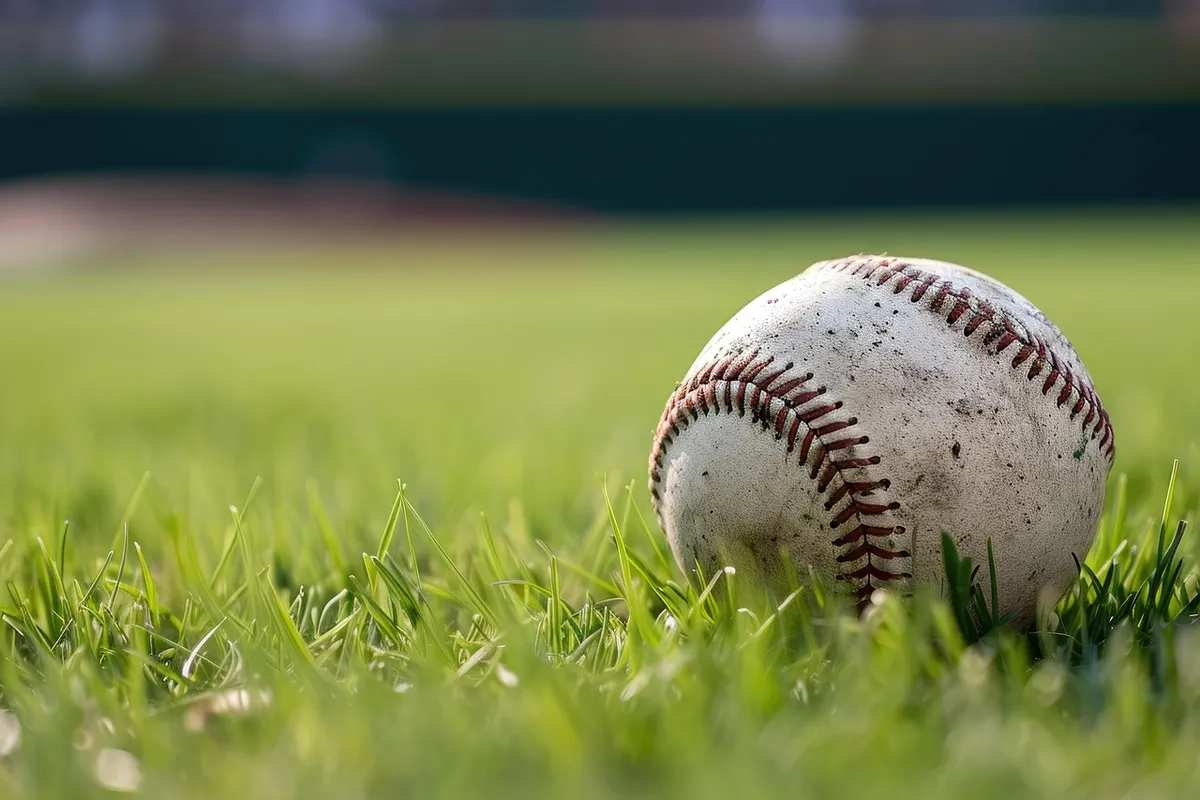
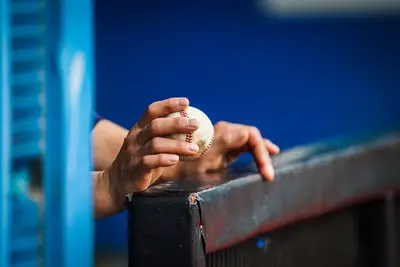
At sunrise on the dusty diamond, the rookie grips the leather of a new ball and feels the sudden sting of grit against his palms.
A young player steps onto a dusty diamond, gripping a fresh baseball and feeling the weight of new expectations. This initial phase of professional development is critical for establishing the technical baseline required for advancement.
The structure of professional baseball provides various levels of competition to facilitate this growth. According to Wikipedia, the Appalachian League and Pioneer League were classified as Rookie Advanced leagues beginning in 1991.
These environments allow players to adjust to professional schedules and coaching.
Understanding these classifications helps a player target specific developmental goals. Rookie baseball first training involves mastering the basics before moving to higher tiers. This early stage is essential for building the stamina and skill set needed for the professional grind.
What are the different levels of professional development?
The rookie stands in the empty stadium at dusk, shivering as the cold wind sweeps across the manicured grass.
A player moves from a local field to a professional stadium, noticing the difference in competition and facility standards. The transition between leagues requires constant adaptation to different levels of play.
The hierarchy of professional baseball is organized into various tiers to manage player progression. Minor League Baseball (MiLB) is a group of professional baseball organizations below Major League Baseball (MLB), consisting of teams affiliated with MLB teams.
This structure ensures that players can ascend through controlled levels of difficulty.
Effective new player training tips often involve moving through these specific tiers. For example, players might start in rookie leagues before advancing to Triple-A.
The American Association was revived as a Triple-A league in 1969 and flourished with the minor league baseball boom of the 1980s and 1990s.
How do league changes affect baseball rookie prep?
A player checks the news, seeing updated league alignments that might change their team or coaching staff. Sudden shifts in the professional landscape can alter a player's immediate development plan.
Organizational changes can significantly impact the availability of playing time and developmental resources. In February 2021, Major League Baseball announced new league alignments for all 120 affiliated Minor League Baseball clubs effective as of the 2021 season.
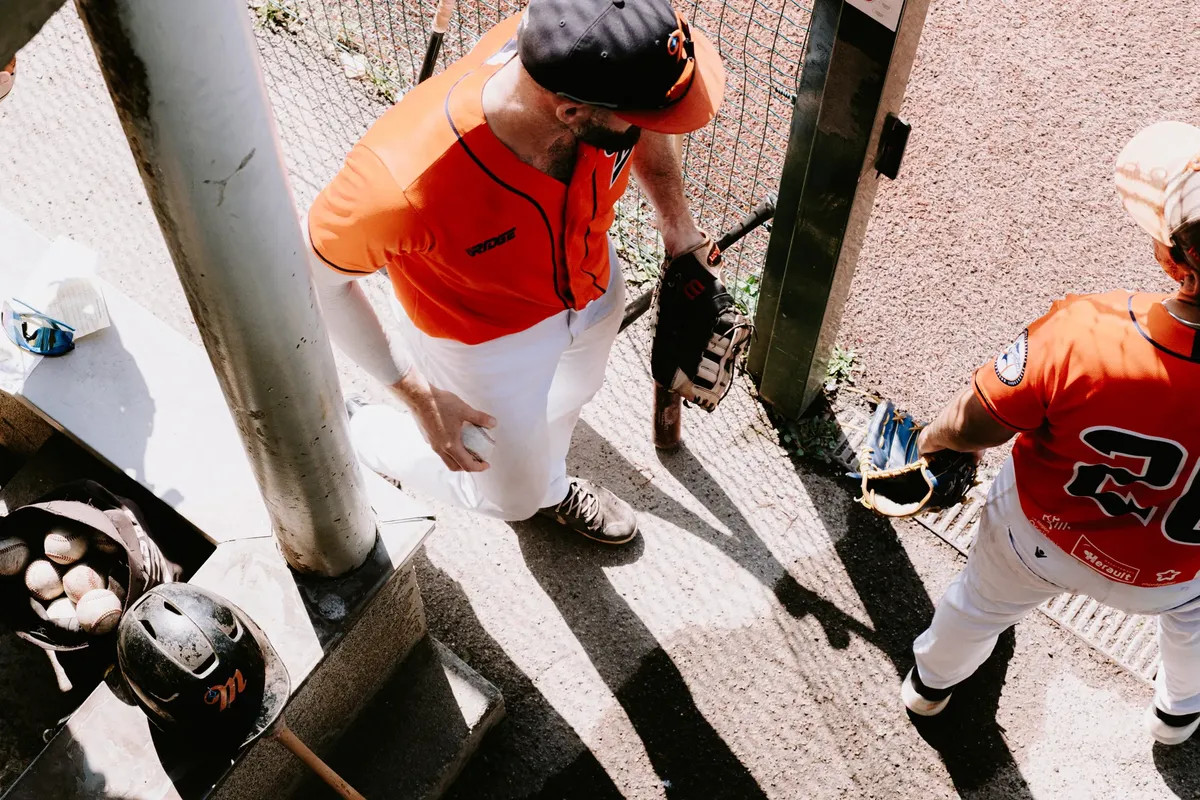
This restructuring changed the landscape for many rising athletes.
These shifts serve as a catalyst for baseball rookie prep adjustments. Players must remain flexible as affiliations change. The reduction in the total number of teams to 120 across the four full-season divisions of play created a more streamlined but highly competitive environment.
What are the best training methods for rookies?
An athlete performs repetitive drills, focusing on the mechanics of a swing or a pitch under the watchful eye of a coach. Consistency in these repetitive tasks is the cornerstone of professional growth.
Training strategies often focus on bridging the gap between amateur talent and professional consistency. This involves a mix of physical conditioning and tactical intelligence.
| Training Focus | Objective |
|---|---|
| Fundamental Mechanics | Establishing repeatable motions |
| Tactical Awareness | Understanding game situations |
I observed how players must balance intense physical work with mental discipline to succeed. Accelerating player development requires a balance of these two elements. While strength is vital, the ability to execute under pressure is what separates successful rookies from those who stall.
How does early training strategy impact long-term success?
A veteran player watches a rookie struggle with a difficult inning, knowing that the foundation being built now will determine future performance. The lessons learned in the early years often dictate the trajectory of a career.
The early stages of development are about building a repeatable skill set. This is why the classification of leagues matters for player growth.
- Master fundamental movements to ensure consistency during high-pressure games. 2. Adapt to the professional schedule and travel demands of the minor leagues. 3. Apply coaching feedback immediately to refine technical nuances.
A final check of these steps ensures that the player is not just playing hard, but playing with purpose. Developing these habits early is a key part of accelerating player development.
What are the limitations of rookie-level development?
A player faces a roster change, realizing that their path to the big leagues is not always linear. External factors can limit the opportunities available to even the most talented athletes.

The structure of the leagues can sometimes limit the variety of competition available. For instance, the Appalachian League was converted to a collegiate summer baseball league designed for rising freshmen and sophomores.
This specific designation limits the age range and professional experience level within that circuit.
While these environments are excellent for foundational work, they are limited by their specific design. A player's progression is inherently tied to the rules and classifications set by the governing bodies.
- How does rookie baseball first training shape a player's path?
- What are the different levels of professional development?
- How do league changes affect baseball rookie prep?
The same subject is also called First practice impact.
This part also covers How first training affects games.
Related



Comments 0