Rookie baseball first training: Tips for long-term growth
A rookie baseball player stands at the edge of the diamond, clutching a worn leather glove as the scent of freshly cut grass fills the air.
The initial training phase for a rookie baseball player serves as the foundation for long-term professional success and skill refinement. This period determines how effectively a player adapts to professional standards and builds the physical durability required for a lengthy career.
Key takeaways include the necessity of fundamental mastery, the impact of early developmental discipline, and the role of structured coaching in preparing talent for the highest levels of play.
How does the rookie baseball first training impact long-term growth?
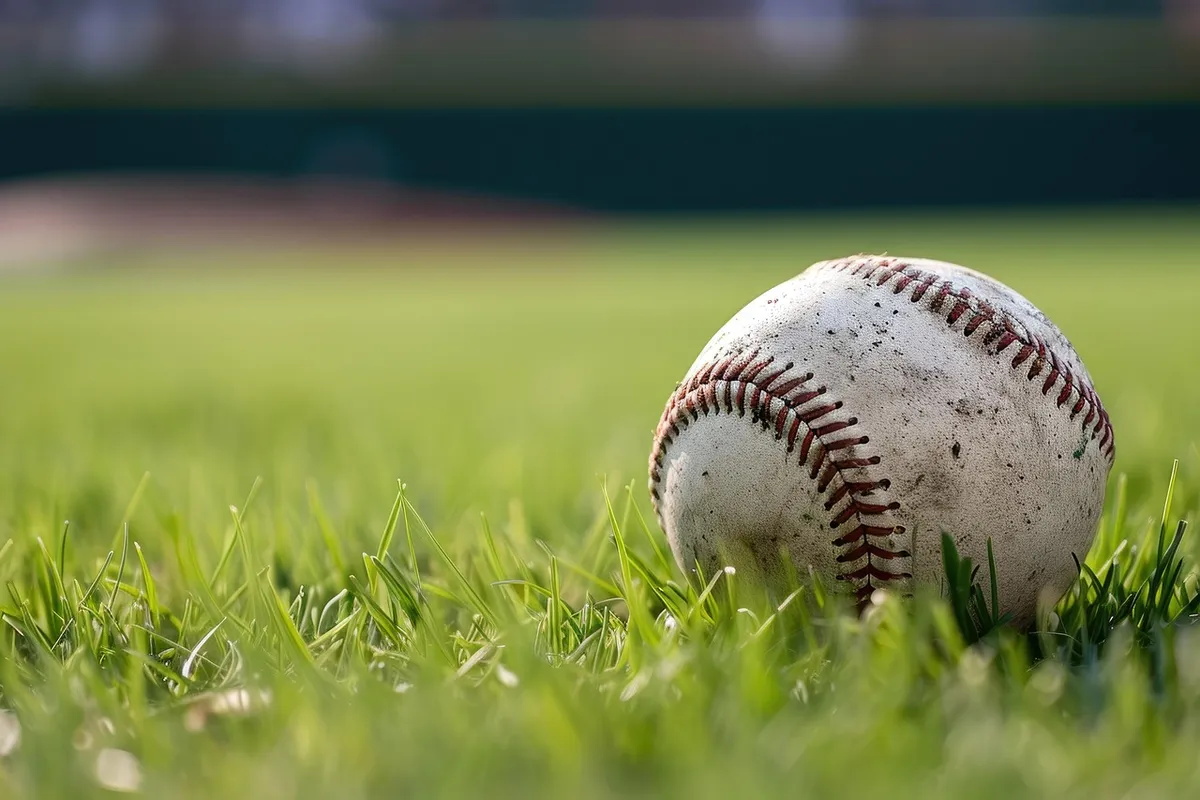
The rookie grips a heavy wooden bat at dawn, feeling the coarse texture against their palms as they prepare for a lifetime of play.
A young player grips a heavy wooden bat, feeling the weight and balance required for a professional swing. Early instruction focuses on correcting mechanical flaws before they become ingrained habits.
According to the American Girls Professional Baseball League, it is the fifth American professional women's baseball league, following the All-American Girls Professional Baseball League (1943–1954), National Girls Baseball League (1944–1954), International Girls Baseball League (1952–1953), and Ladies League Baseball (1997–1998).
Establishing a strong technical foundation during the rookie baseball first training ensures that players do not have to unlearn bad habits later in their careers. This period is about building muscle memory and understanding the nuances of positioning and timing.
Developing these skills early allows for a smoother transition to more competitive leagues.
The process of building a professional foundation involves repetitive drills that focus on specific movements. These drills aim to stabilize the body and refine the fine motor skills necessary for high-level performance.
Without this consistency, the leap to professional competition becomes much more difficult to manage.
What are the essential steps for new player baseball drills?

A coach stands in the center of the infield, calling out instructions while players sprint toward various stations. The organized chaos of the drill creates a structured environment for learning.
Effective training for newcomers requires a systematic approach to physical and mental readiness. To implement a successful routine, players should focus on these three steps:
- Focus on fundamental mechanics, such as grip, stance, and footwork, to create a repeatable motion. 2. Incorporate situational drills that simulate real-game scenarios to build decision-making speed. 3. Integrate strength and conditioning exercises specifically designed to prevent common injuries.
After completing these steps, a final check of the player's form against professional standards ensures that the training remains aligned with league expectations. I remember watching a trainee adjust their stance after a single repetitive movement, showing how much the initial phase matters.
According to Minor League, the 2008 record includes 43.3 million.
Why is the first training impact pros significant?
As dawn breaks over the empty stadium, the rookie grips the heavy bat and feels the sudden ache in their tired arms.
A player watches a veteran teammate execute a perfect double play, noting the seamless coordination of movement. The difference between amateur and professional play becomes clear through these subtle details.
According to the Tokyo Organizing Committee, the shortlist of five proposed sports submitted to the IOC on September 28, 2015, included baseball/softball, karate, sport climbing, surfing, and skateboarding.
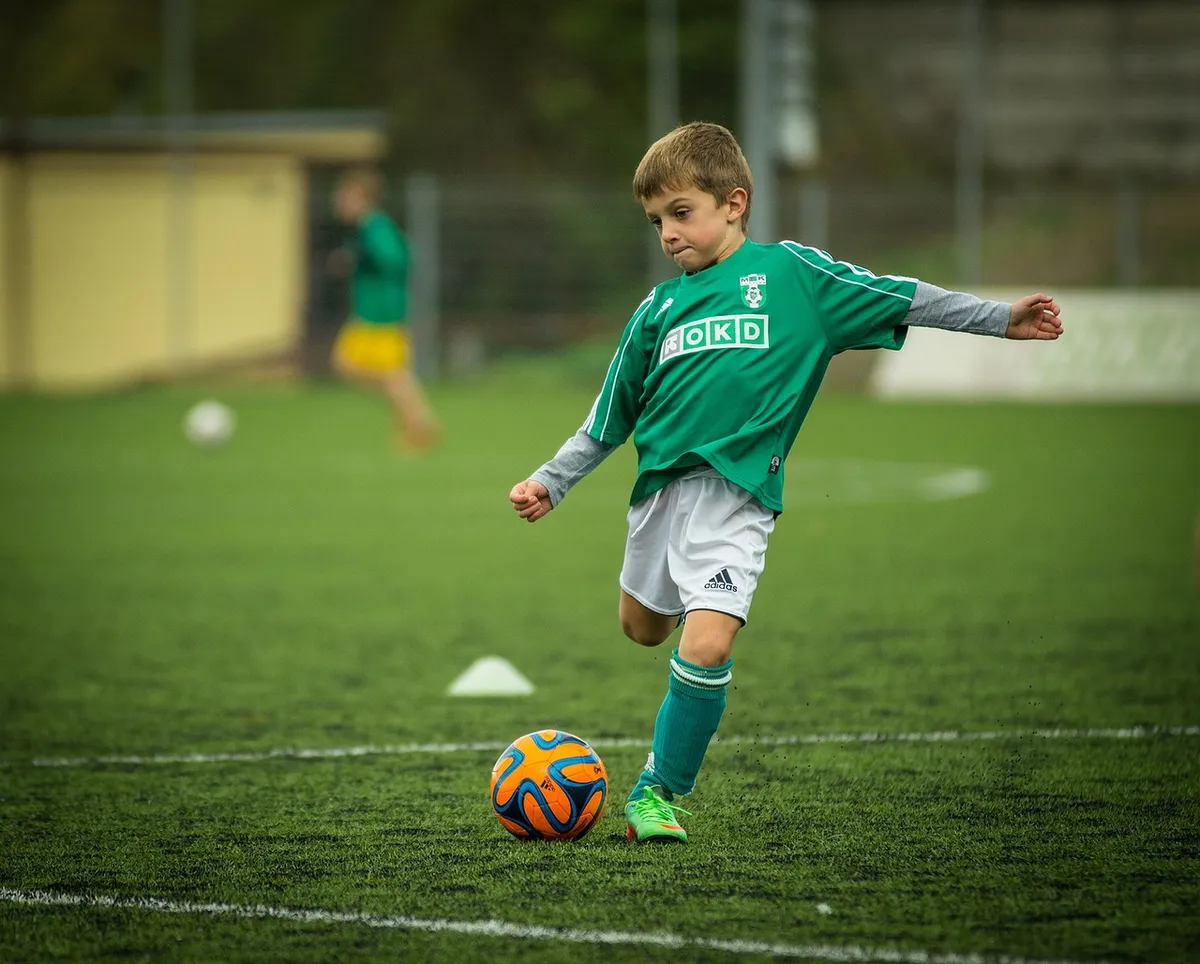
The first training impact pros can have is the ability to remain consistent under pressure. When a player masters the basics early, they can focus on the mental complexities of the game rather than struggling with physical execution.
This mental freedom is a hallmark of players who successfully transition to the big leagues.
Building this level of proficiency requires constant feedback and adjustment. Coaches use these early sessions to gauge a player's ceiling and ability to absorb complex instructions. This assessment helps in tailoring future training to a player's specific needs.
How can we approach developing young baseball talent?
A scout sits in the stands with a notebook, carefully observing the way a player handles the pressure of a simulated game. Every movement is recorded as a data point for future development.
Developing young baseball talent requires more than just physical coaching; it requires a holistic approach to player growth. This involves managing the balance between high-intensity drills and necessary recovery periods.
A structured development plan includes: 1. Targeted skill work to address individual weaknesses identified during scouting. s2. Group training sessions to foster teamwork and communication skills. 3. Regular performance reviews to track progress against established benchmarks.
Checking these benchmarks regularly prevents stagnation and keeps the player motivated to improve. This systematic approach ensures that talent is not just discovered but also nurtured.
What are the limitations of early training?
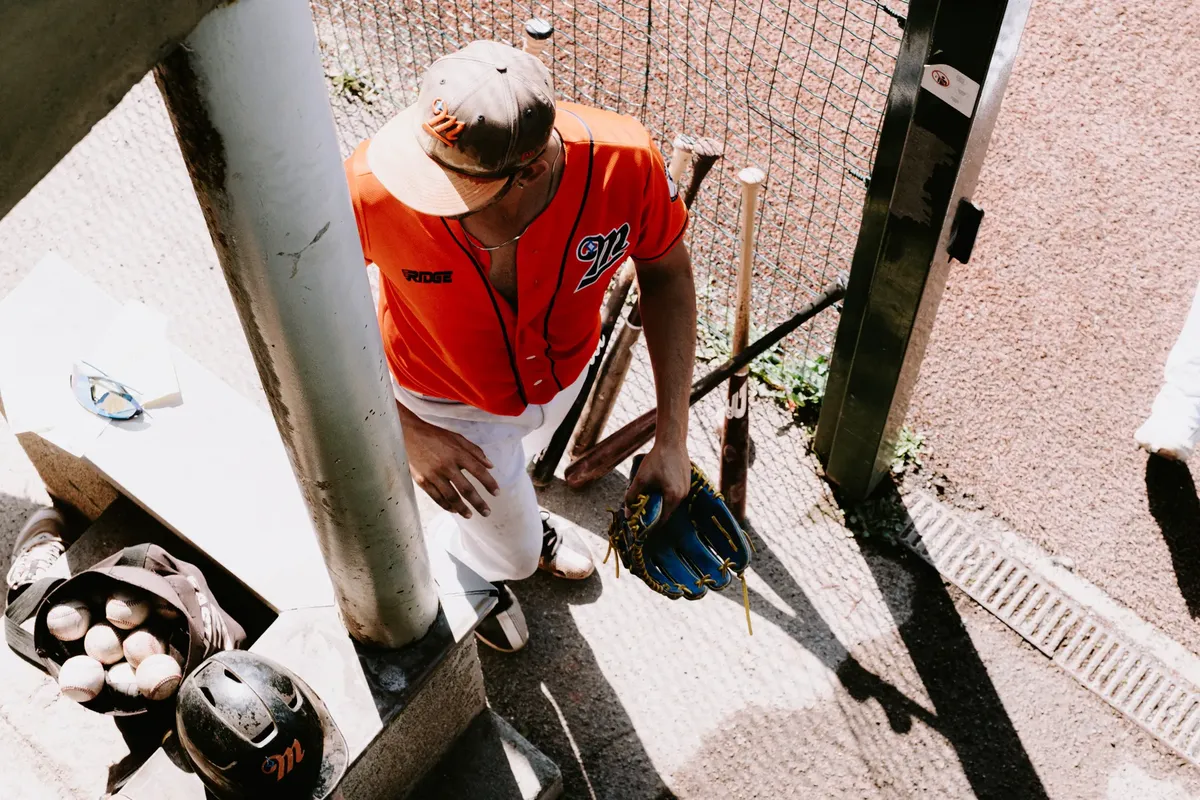
A player sits on the bench during a rain delay, reflecting on the grueling nature of the afternoon's drills. The physical toll of intense training is evident in their tired posture.
While early training is vital, it has limitations based on the individual's physical maturity and existing skill level. A player's growth rate can vary significantly, meaning a one-size-fits-all approach may not work for everyone.
A significant limitation is that early training cannot account for the unpredictable nature of physical development in young athletes. Some players may require different training intensities as they grow, making it difficult to set permanent standards.
Related
- What is the typical tension for professionals?
- Badminton start guide: Easy badminton start guide tips
What cautions should rookie baseball players observe during drills? 1. Players must maintain focus on fundamental mechanics throughout every drill to ensure repeatable motion. 2. It is crucial that players integrate strength and conditioning exercises to proactively prevent common injuries. 3. A caution exists that a one-size-fits-all approach to early training may not suit every rookie baseball player due to varying growth rates.
The adherence to structured coaching is paramount because it prepares talent for the highest levels of play. This coaching helps in tailoring future training to a player's specific needs based on early assessments.
The process of building a professional foundation demands consistency in repetitive drills, which stabilizes the body and refines fine motor skills. Without this consistency, the leap to professional competition presents a significant management challenge for the rookie.
How does early discipline influence a rookie's career path? Early developmental discipline shapes how effectively a rookie baseball player adapts to professional standards. This discipline is key to building the physical durability necessary for a lengthy career.
The ability to remain consistent under pressure is a direct benefit of mastering the basics during the initial training phase. This mastery allows the rookie to shift focus toward the mental complexities inherent in the game.
Coaches utilize these early sessions to gauge the player's ceiling, which informs the subsequent development plan for the rookie. This assessment ensures the training remains aligned with what league expectations demand.



Comments 0