Teamwork in competition: Guide to tournament structures
"Winning is rarely a solo endeavor; it is the result of synchronized movement and shared tactical understanding."
Strategic teamwork in competition ensures that individual talents coalesce into a unified force capable of navigating complex tournament structures. This guide explores how teams utilize group stages, sponsorship-driven scaling, and specialized coordination to achieve success.
Key takeaways include understanding tournament formats, managing organizational growth, and applying tactical synergy.
How do tournament structures shape teamwork?

As the sun sets over the dusty field, the players huddle close to discuss how the grueling tournament structure will test their teamwork.
A group of players sits around a tactical board, tracing lines that represent movement across a field. Different tournament formats require teams to adjust their internal communication and roster management to survive multiple stages.
Some tournament formats utilize two group stages to filter competitors, such as the 1982 FIFA World Cup or the 1999–2000 UEFA Champions League. These structures demand consistent teamwork over long periods rather than a single burst of energy.
Teams must maintain morale and tactical discipline through multiple rounds of play.
Winning with team effort often depends on how well a group handles these repetitive stages. A team that excels in a single match might struggle when a tournament requires sustained coordination across several weeks.
How has corporate involvement changed game strategy teamwork? Teamwork in competition
A bright neon sign glows above a crowded arena where players sit at high-tech stations. The shift from small gatherings to massive professional events has changed how teams prepare and interact.
Beginning with the Cyberathlete Professional League in 1997, tournaments became much larger, and corporate sponsorship became more common. This growth forced teams to adopt professionalized training regimens and specialized roles.
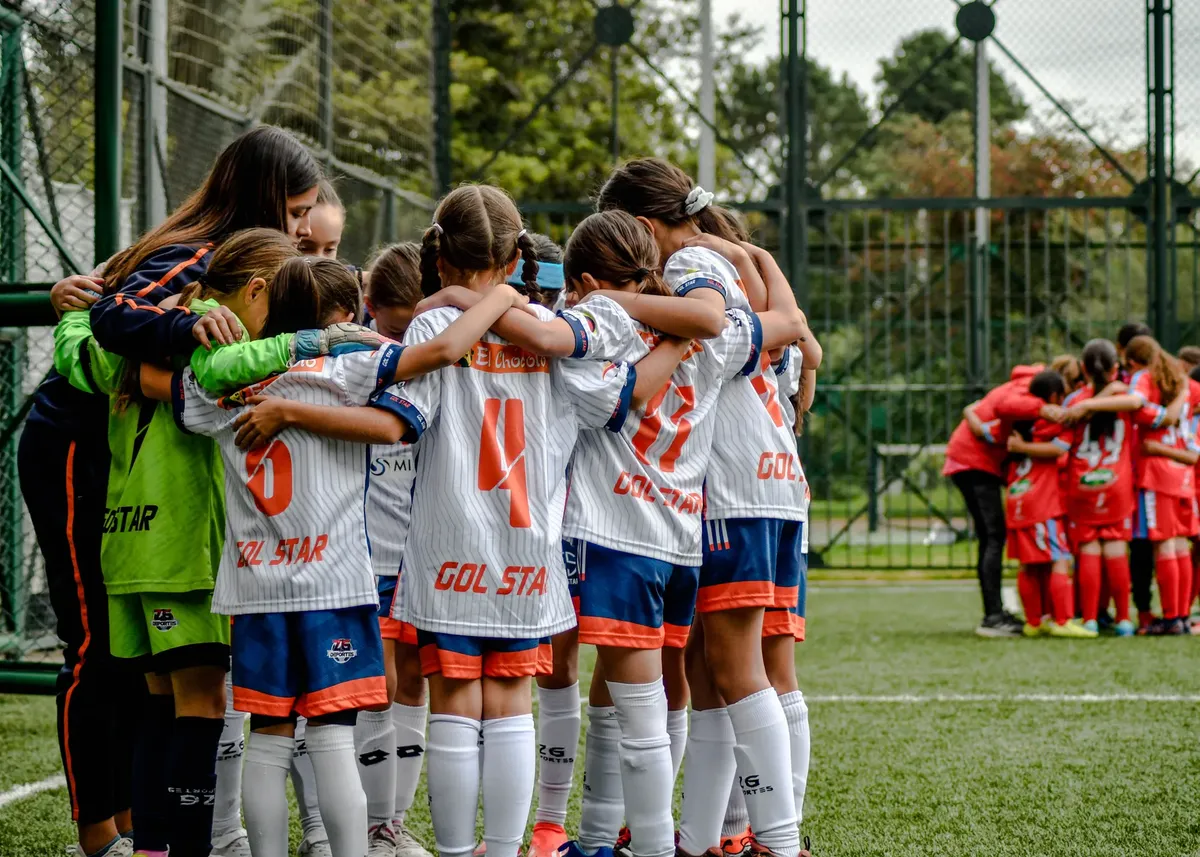
As the scale increased, game strategy teamwork became more complex due to higher stakes and professional scrutiny.
Competitive team tactics often involve managing these external pressures while maintaining internal cohesion. Professionalism ensures that players can execute high-level strategies under the gaze of sponsors and large audiences.
What are real game strategy examples in different sports?
A player grips a cricket bat while another prepares a curling stone, highlighting the diversity of competitive play. Different sports utilize specific systems to govern how teams interact during a match.
According to the Super League of European, similar systems were used by the Super League of European rugby league before being scrapped after the 2014 season.
Similar systems are used in cricket's Indian Premier League and most curling tournaments. These systems govern how players rotate or interact within their specific sport's rules. For instance, specialized roles in cricket require seamless hand-offs and tactical shifts.
Improving team performance in these environments relies on mastering these specific systemic rules. Every sport has unique constraints that dictate how teamwork must be applied to remain competitive.
How do specialized associations organize competitive play?
A tennis player prepares for a match at a local club, focusing on the specific needs of their discipline. Specialized organizations create unique environments that require specific types of teamwork.
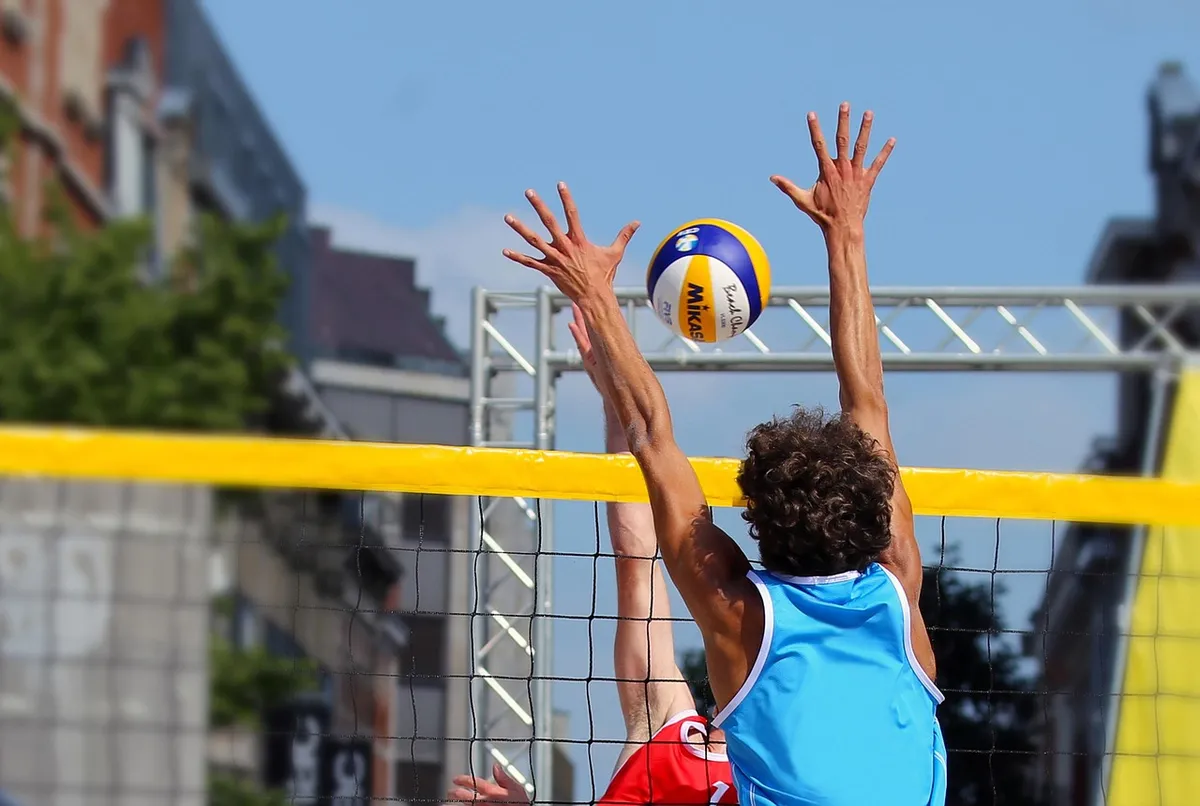
The Carolinas Adaptive Standing Tennis Association (CAST) began to host annual tournaments at Pinetop Tennis Club with the Inaugural CAST Open April 26–28, 2019 in Greensboro, North Carolina. These specialized events require unique coordination and accessibility-focused teamwork.
The scale of such events shows how teamwork in competition can be adapted to various physical and organizational needs. Success in these settings involves both athletic skill and community-driven coordination.
How can teams manage growth and structure?
A team manager reviews a spreadsheet of sponsorship deals and player contracts. Managing a growing organization requires a balance between tactical execution and administrative stability.
| Aspect | Historical Context | Impact on Teamwork |
|---|---|---|
| Scale | Post-1997 Growth | Increased professionalization |
| Format | Multi-stage Tournaments | Requires sustained coordination |
I observed how these structural changes forced teams to move from casual play to highly disciplined units. Managing these shifts is a core part of modern competitive success.
How do we apply these lessons to competitive success?
A coach stands on the sidelines, watching the clock tick down during a high-stakes match. To apply these concepts to a modern competitive setting, follow these steps:
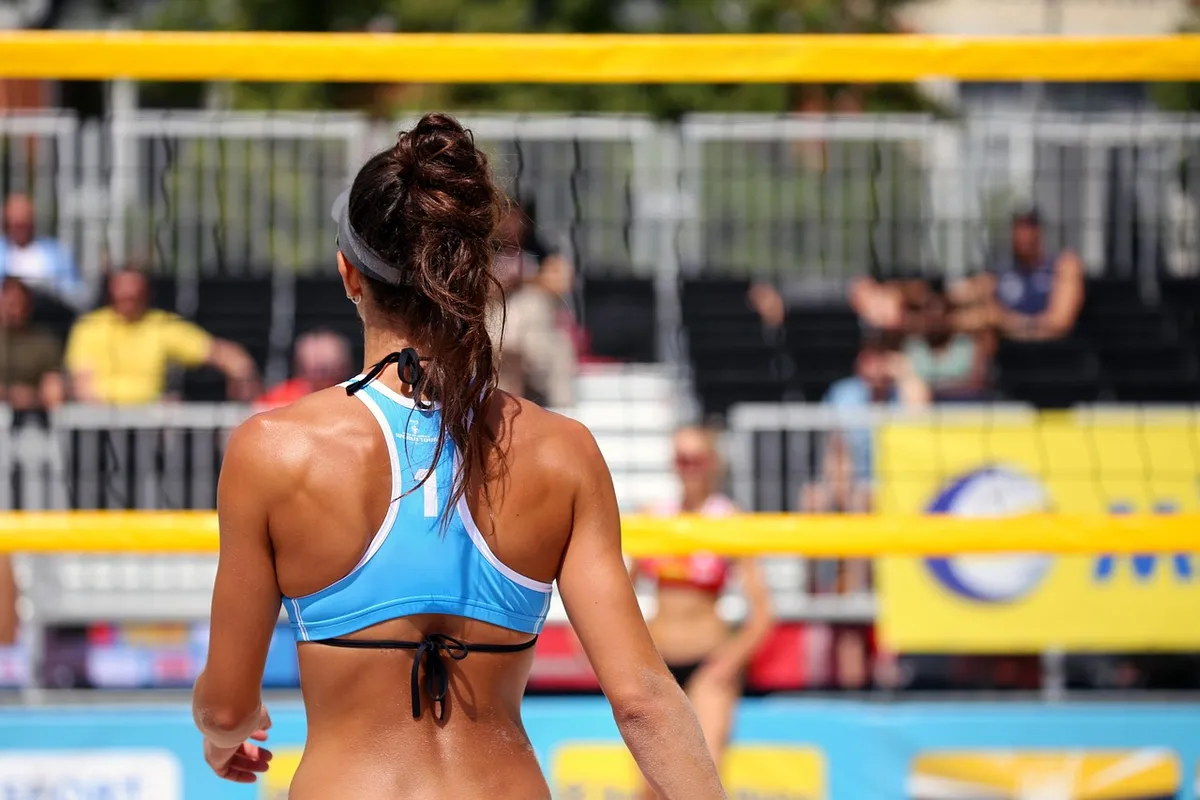
- Analyze the tournament structure to determine if the strategy needs to be built for endurance or immediate intensity. 2. Establish clear communication protocols that can withstand the pressure of large-scale, sponsored environments. 3. Develop specialized roles within the team that align with the specific rules and systems of the sport.
Final check: Ensure all team members understand the specific tactical requirements of the tournament format being played.
- How do tournament structures shape teamwork?
- How has corporate involvement changed game strategy teamwork?
- What are real game strategy examples in different sports?
The same subject is also called Sports team synergy.
This part also covers How teamwork wins games.
Related
- Rookie first practice strategy: drills for muscle memory
- Why pitching strategy is vital for winning baseball games
What conditions necessitate tactical synergy in team play? Tactical synergy becomes essential when a tournament demands sustained coordination across several weeks. This condition arises when teams must maintain morale and tactical discipline through multiple rounds of play. Winning is rarely achieved without this sustained, synchronized effort.
When professional scrutiny increases due to corporate involvement, the condition for high-level execution becomes stricter. Players must execute complex strategies under the gaze of sponsors and large audiences, which demands internal cohesion.
Different tournament formats impose conditions that affect how teams must adjust their internal communication. These structural requirements necessitate a specific type of coordinated response from the group.
How does administrative stability support tactical execution? Administrative stability, supported by managing sponsorship deals and player contracts, provides the foundation for tactical execution. A team manager reviews these elements to balance administrative stability with tactical execution. This stability allows the team to transition from casual play to highly disciplined units.
This balance is critical because the increased professionalization resulting from post-1997 growth requires more than just athletic skill. Success in these growing environments relies on sound organizational management.
The specialized coordination required by events like the CAST Open demonstrates how organizational needs dictate teamwork application. Winning is rarely a matter of individual brilliance alone; it requires a stable operational framework.






Comments 0