Esports Asian Games gym education value: How youth grow
"The digital arena is no longer just a screen; it is a training ground for discipline, teamwork, and strategic thinking."
The integration of esports into major multi-sport events provides a new dimension to physical education and social development for youth. This shift offers opportunities for structured competition, teamwork, and mental agility within the framework of traditional athletic values.
This article explores the educational benefits of esports, the integration of these games into international competitions, and the challenges of regulation.
* The rise of esports in international multi-sport events * Educational benefits of competitive gaming * The role of structured competition in social development * Challenges regarding game content and regulation
How do esports fit into the Asian Games?
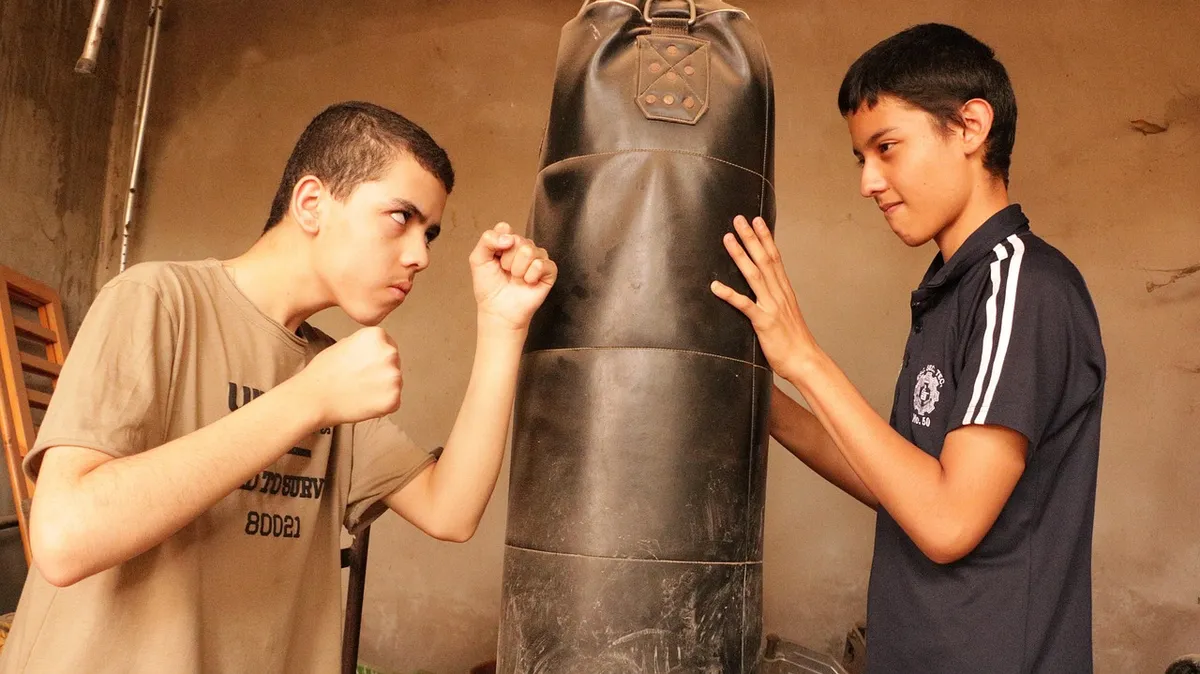
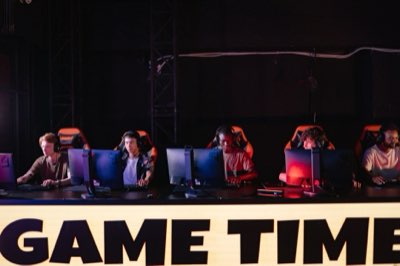
A student sits in a quiet hall, eyes focused on the monitor, while teammates communicate through headsets to execute a complex strategy. This scene of intense concentration reflects the new reality of competitive gaming within the Asian Games framework.
In September 2021, the Olympic Council of Asia announced eight esports games will officially debut as medal sports for the 2022 Asian Games in Hangzhou, China. This decision recognized the growing scale of digital competition as a legitimate athletic pursuit.
By including these games, organizers provided a platform for players to develop discipline under official competitive rules.
The inclusion of these titles in major games changes how youth perceive digital engagement. Instead of isolated play, players must now train with the same rigor as traditional athletes. This transition fosters a sense of purpose and structured growth within the gaming community.
What are the benefits of competitive gaming for youth? Asian Games gym education value
At the desk during the late evening, a teenager's eyes widen with excitement as the strategic depth of esports sharpens their focus.
A group of players gathers around a desk, discussing tactics and reviewing recent matches to improve their collective performance. This collaborative environment serves as a practical classroom for social skills and quick decision-making.
Competitive gaming requires players to master complex mechanics and work seamlessly with teammates to achieve common goals. This process builds mental resilience and the ability to handle pressure in real-time environments.
The social aspect of team-based games fosters leadership and communication skills essential for adulthood.
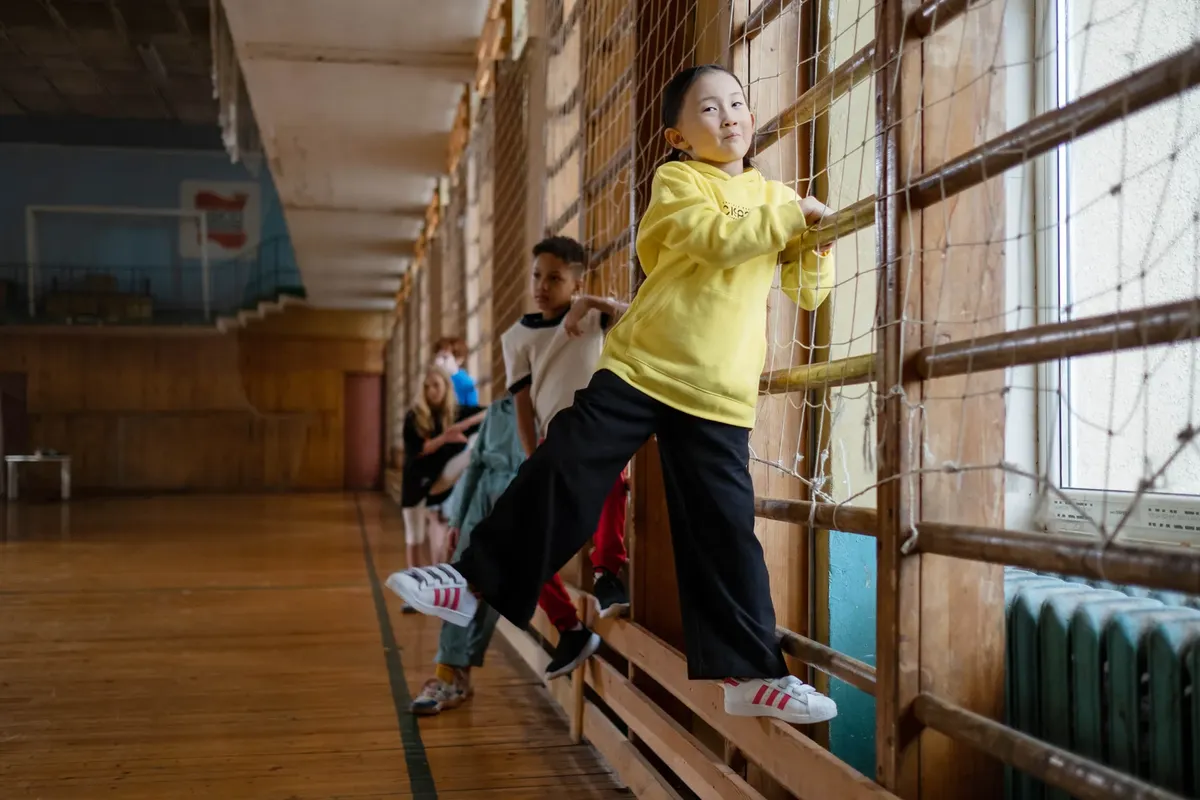
The educational value lies in the strategic depth required by modern titles. Players must analyze patterns, manage resources, and adapt to changing circumstances instantly. These cognitive exercises provide a unique form of mental training that complements traditional physical education.
How is esports being integrated into global sports?
An official walks through a venue, observing the seamless integration of technology and competition during a pilot event. This integration marks the beginning of a broader trend in the global sports landscape.
The Tokyo Olympic Committee has also planned to arrange a number of esports events leading up to the 2020 games, according to the Tokyo Olympic Committee.
The Commonwealth Games Federation announced in February 2022 that esports would be included in the 2022 Commonwealth Games as a pilot event, with the possibility of it being a medal event in the 2026 Games.
This pilot approach allows governing bodies to test the infrastructure and social impact of digital sports. Such initiatives provide a roadmap for how esports can coexist with traditional athletics.
The expansion of esports into these arenas legitimizes the pursuit for many young people. It bridges the gap between digital hobbies and formal athletic recognition. This evolution ensures that the skills learned in gaming are recognized within a structured, global context.
Which games are shaping the competitive landscape?
A player selects a character from a diverse roster, preparing for a match that requires both reflex and deep tactical knowledge. The variety of available titles ensures that different types of mental and social skills are engaged.
The landscape of competitive gaming is diverse, featuring various genres that demand different skill sets.
As of the early 2020s, some of the most popular games include Counter-Strike: Global Offensive, Call of Duty, League of Legends, Dota 2, Fortnite, Rocket League, Valorant, Hearthstone, and Super Smash Bros.
Each title offers unique challenges, from rapid reflexes to long-term strategic planning.
| Genre Type | Example Titles |
|---|---|
| Tactical Shooters | Counter-Strike: Global Offensive, Valorant |
| MOBA/Strategy | League of Legends, Dota 2 |
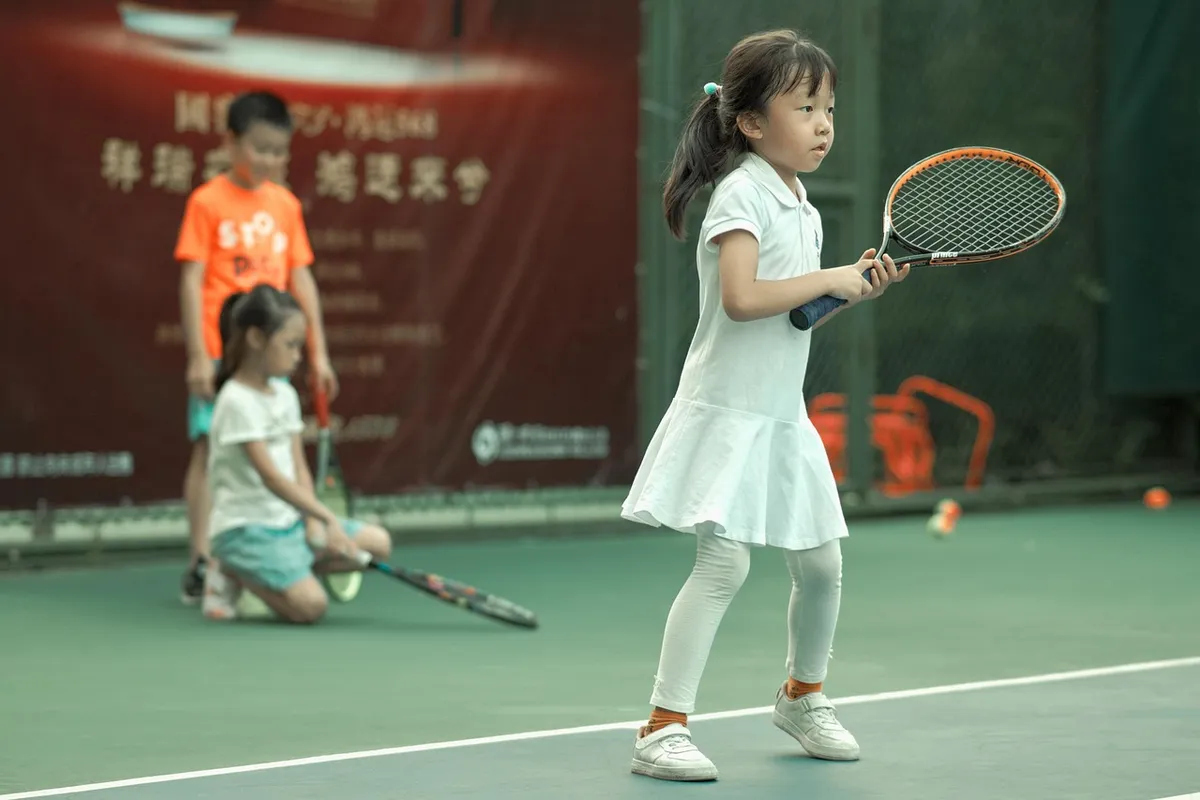
I observed how players in a local tournament transitioned from individual play to highly coordinated team movements within minutes of starting a match. This rapid shift highlights the social agility required in modern esports.
What are the challenges in regulating esports?
An organizer reviews a list of rules, attempting to balance the excitement of the game with the need for safety and standards. This task is increasingly complex as the field of esports expands globally.
One significant challenge is the lack of universal standards for game content and oversight. The International Olympic Committee (IOC) president Thomas Bach has noted that the IOC is troubled by violent games and the lack of a global sanctioning body for esports.
This tension between entertainment and educational values remains a central debate for organizers.
Managing the diverse nature of games requires careful selection to ensure they align with the values of multi-sport events. The lack of a single governing body makes it difficult to establish consistent rules for all participants.
Addressing these concerns is vital for the long-term integration of esports into formal sports programs.
How can we ensure healthy engagement?
A coach monitors the players, ensuring they take breaks and maintain a healthy balance between screen time and physical activity. This oversight is crucial for preventing burnout and promoting long-term wellness.
To foster healthy engagement, players and coaches should follow these steps:
- Establish clear boundaries between competitive play and rest periods to prevent fatigue. 2. Incorporate physical movement and ergonomic awareness into daily training routines. 3. Focus on communication and emotional regulation to maintain a positive team environment.
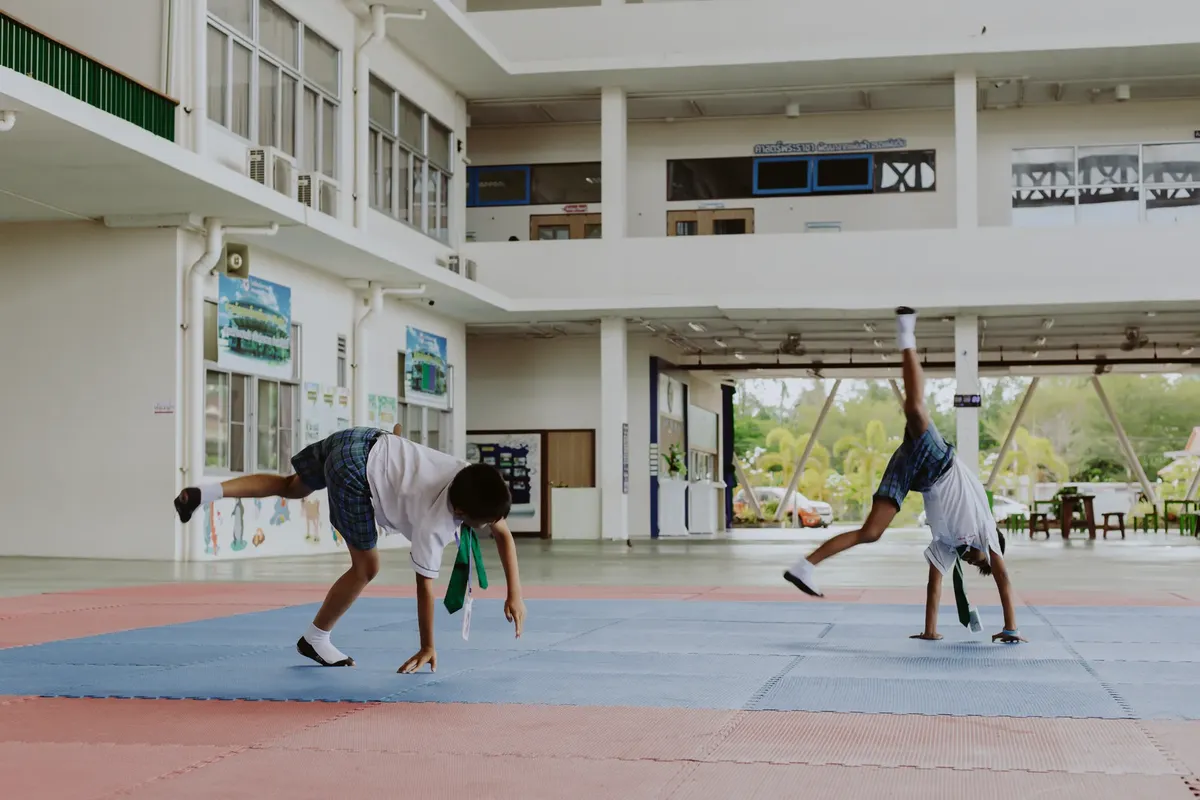
A final check involves reviewing these habits regularly to ensure they support both mental and physical health. This balanced approach prevents the risks associated with excessive sedentary behavior.
One limitation is that the effectiveness of these educational benefits depends heavily on the specific game content and the level of oversight provided by organizers.
- How do esports fit into the Asian Games?
- What are the benefits of competitive gaming for youth?
- How is esports being integrated into global sports?
The subject here is Asian Games gym education value.
The same subject is also called Youth fitness Asian Games.
The same subject is also called Gym role in youth growth.
The same subject is also called Sports training social skills.
The same subject is also called Asian Games youth development.
This part also covers How gym builds character.
This part also covers Sports for youth social skills.
This part also covers Asian Games impact on teens.
How gym builds character
Related





Comments 0