Youth sports festival meaning tips for family participation
The subject here is Youth sports festival meaning.
"The true essence of youth sports lies not in the final score, but in the developmental foundation built through competition and teamwork."
Youth sports festivals and gatherings serve as critical developmental milestones that foster social integration, physical literacy, and character building among young participants.
These events provide a structured environment where children can apply learned skills in a competitive yet educational setting, bridging the gap between casual play and disciplined athletics.
This guide explores the meaning of youth sports gatherings, their practical effects on development, and the changing landscape of participation.

Key takeaways: 1. Participation rates in youth sports have shown a recent upward trend. * Financial barriers represent a growing challenge for families engaging in organized athletics. * Competitive gatherings provide essential social and educational benefits for youth.
What is the point of youth sports gatherings? At dawn on the dew-covered field, the children tighten their laces to embrace the shared purpose of their youth.
A group of young athletes stands on a grassy field, adjusting their shin guards while waiting for the whistle to blow. This moment of preparation represents the core of a sports festival, where the focus shifts from individual skill to collective engagement.
According to Louisiana Tech University, the National Survey of Children’s Health shows that 55.4% of youth ages 6-17 played sports in 2023.
The meaning of youth sports gatherings lies in their ability to provide a shared purpose and a sense of community for participants. These events act as a microcosm of society, teaching children how to navigate rules, respect opponents, and work toward common goals.
By stepping out of the classroom and onto the field, youth engage in a practical application of leadership and cooperation.
Participation in these activities is becoming more common among the younger population.
This growing engagement highlights the importance of understanding the social value of these gatherings.
How do these events affect youth development? Youth sports festival meaning
A coach gathers players in a tight circle, pointing to a tactical diagram on a clipboard to explain the next play. The players listen intently, absorbing the strategy before sprinting back to their positions.
As noted by Utah State University, the National Survey of Children’s Health shows that 55.4% of youth ages 6-17 played sports in 2023.
The effects of youth sports are multifaceted, impacting physical health, mental resilience, and social intelligence. Through regular training and competition, participants develop discipline and the ability to handle both victory and defeat with grace.
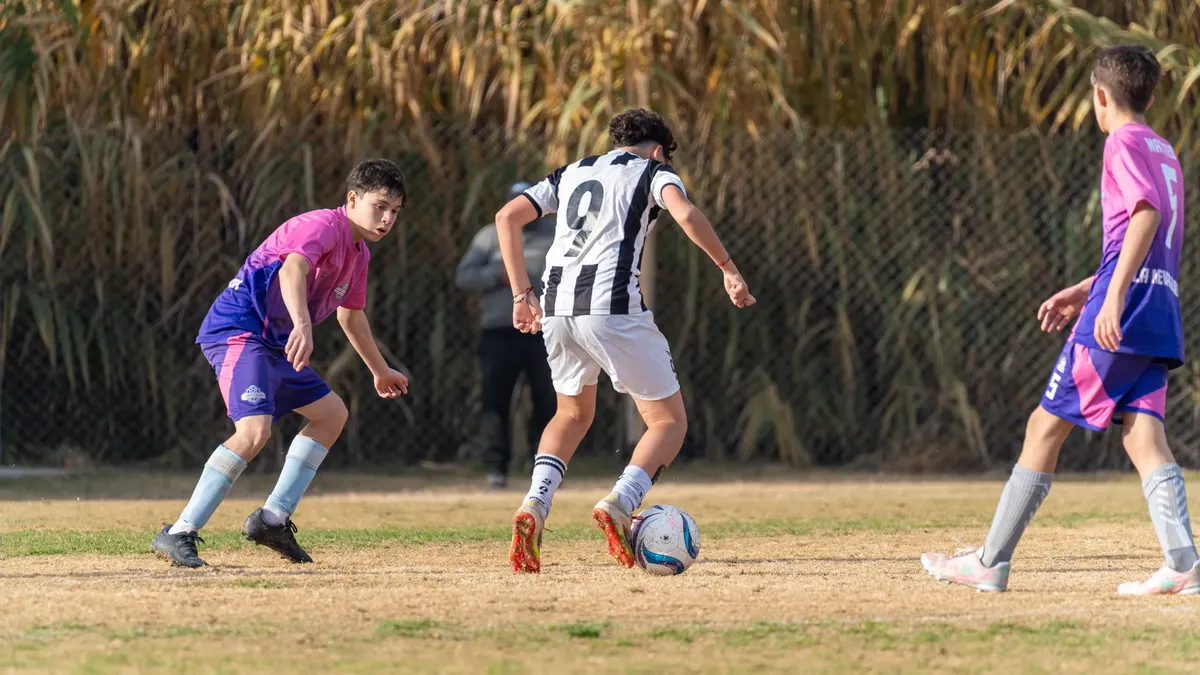
These gatherings provide the necessary pressure to test individual growth within a team framework.
One significant effect is the development of interpersonal skills through structured teamwork. The process of training for a specific event requires consistent effort and the ability to follow complex instructions.
This structured environment helps children build confidence that often translates to other areas of their lives, such as academic settings.
According to Volo Kids Foundation, the 2019 record includes 46%.
What challenges are facing youth sports? A parent sits in the bleachers, looking over a growing pile of registration receipts and equipment invoices. The weight of the financial commitment is visible in their expression as they watch the game unfold.
According to the Volo Kids Foundation, the costs of youth sports continue to grow – up a whopping 46% since 2019, according to Aspen Institute Project Play research.
According to the Sports & Fitness Industry Association, even more youth participated in sports in 2024.
While the benefits are clear, the landscape of youth sports is changing due to increasing economic pressures. Families must balance the desire for their children to participate with the rising costs of specialized coaching, travel, and equipment.
This creates a tension between the desire for athletic engagement and the reality of household budgets.
The financial aspect is a notable hurdle for many families today.
This trend suggests that while the desire to play is increasing, accessibility may become a limiting factor for some communities.
According to Census Bureau, the 2023 record includes 55.4%.
How can families navigate the process of participation?
A family walks through a sports complex, carrying heavy gear bags and water bottles toward the registration desk. They are preparing for a weekend of back-to-back games and social interaction.
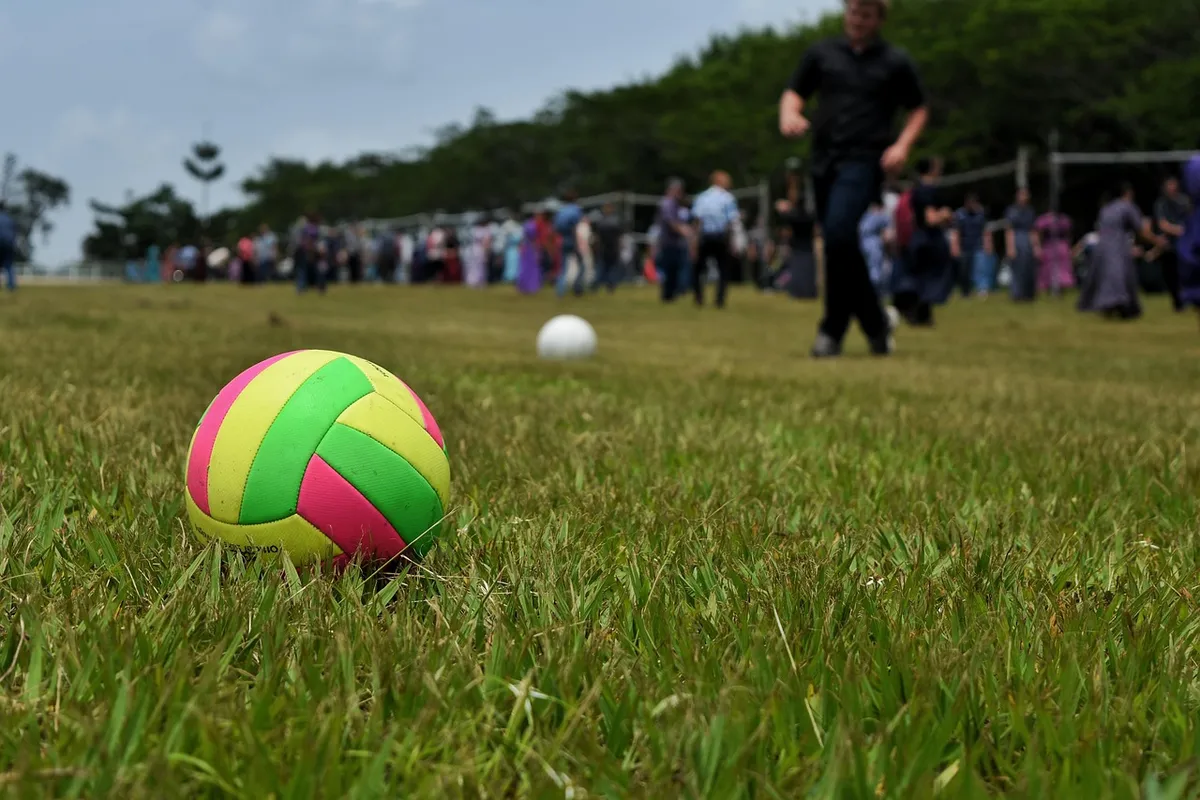
According to the Aspen Institute, the costs of youth sports continue to grow – up a whopping 46% since 2019, according to Aspen Institute Project Play research.
The National Youth Sports Parent Survey, which includes analysis from parents of youth with disabilities in partnership with Louisiana Tech University, was featured in the State of Play 2025 report.
Navigating the process of youth sports involves several practical steps to ensure a positive experience for the child and the family. Balancing the schedule, managing costs, and selecting the right level of competition are essential tasks for any involved parent.
- Evaluate the specific needs and interests of the child to ensure the sport remains engaging and developmentally appropriate. 2. Research local clubs and community leagues to find a balance between competitive intensity and cost-effectiveness. 3. Establish a consistent routine for training and equipment maintenance to support the child's physical preparation.
I remember sitting in the car after a long weekend of tournament games, looking at the empty Gatorade bottles and the dusty cleats in the footwell, realizing how much the schedule had changed our family rhythm. My focus was on ensuring the process remained about growth rather than just the outcome.
What is the role of structured competition?
The sun begins to set over the stadium, casting long shadows across the track where runners prepare for their final heat. The tension in the air is palpable as the athletes focus on their breathing.
Structured competition provides a controlled environment where the lessons of sportsmanship can be practiced. Unlike casual playground games, organized events follow specific protocols that require discipline and respect for officiating.
This structure is vital for teaching children how to operate within established systems.
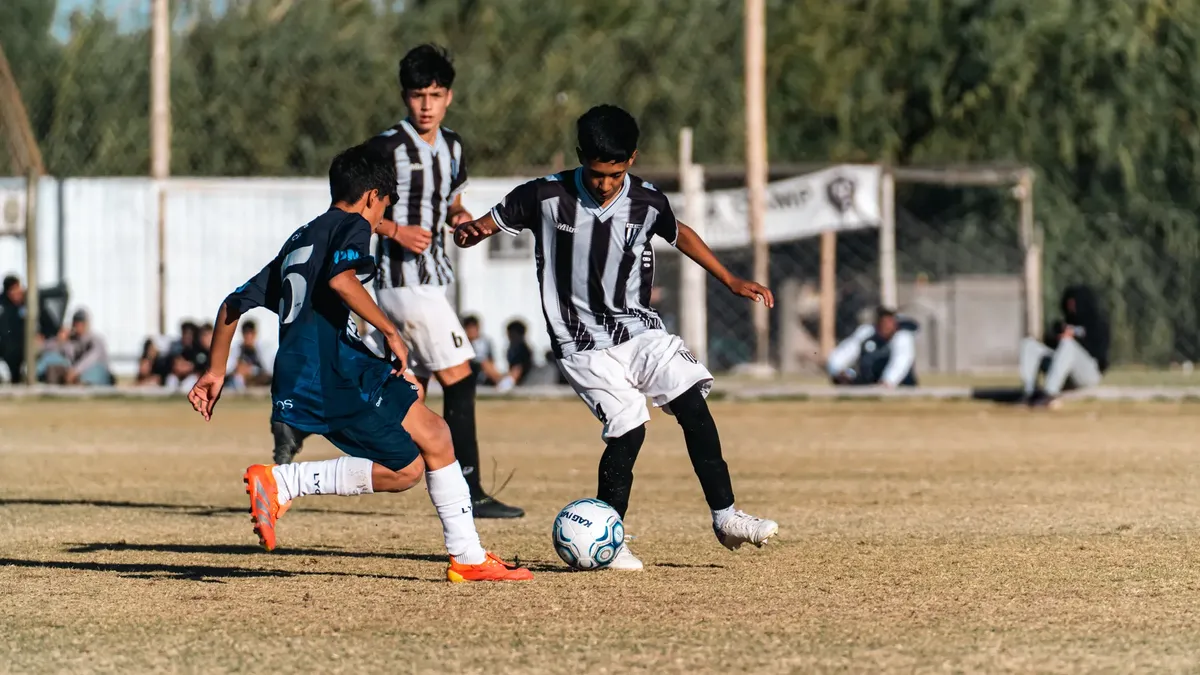
The role of competition is to provide a benchmark for progress. It allows athletes to see the results of their training in real-time, fostering a sense of accomplishment. However, the focus remains on the developmental process rather than just the win-loss record.
| Metric | Value |
|---|---|
| 2023 Youth Participation Rate | 55.4% |
| 2022 Youth Participation Rate | 53.8% |
This order does not hold, however, when the figure is not 46%.
- What is the point of youth sports gatherings?
- How do these events affect youth development?
- What challenges are facing youth sports?
The subject here is Youth sports festival meaning.
The same subject is also called Youth sports event value.
The same subject is also called Youth sports competition.
The same subject is also called Youth sports festival impact.
The same subject is also called Youth sports festival role.
This part also covers Educational effects of sports.
This part also covers Sports training process.
This part also covers Social implications of sports.
Educational effects of sports
Related





Comments 0