Youth sports human rights education: How to build respect
A coach holds a whistle, looking at a group of eager teenagers on a sun-drenched field.
Youth sports human rights education ensures that as participation grows, the well-being and dignity of young athletes remain a priority. This guide explores the necessity of such programs, how to implement them, and the current landscape of youth athletics.
Key takeaways include understanding rising participation rates, addressing economic barriers, and developing ethical training frameworks.
Why is youth sports human rights education necessary?

A trainer sits on a wooden bench, watching players navigate a competitive drill. As more children join organized leagues, the need for ethical frameworks becomes more pressing.
The scope of youth athletics is expanding rapidly. According to the Census Bureau, the National Survey of Children’s Health shows that 55.4% of youth ages 6-17 played sports in 2023, which was an increase from 53.8% in 2022.
This growing population requires structured guidance to ensure fair treatment and emotional safety.
Sports rights youth training addresses the specific vulnerabilities of minors in competitive environments. With more children active in sports, educators must focus on preventing exploitation and fostering respect.
Building a foundation of rights helps prevent the physical and mental fatigue often seen in high-pressure settings.
- Identify existing power imbalances between coaches and young athletes.
- Introduce fundamental concepts of dignity and equality.
- Establish a safe environment for personal growth.
How can we develop youth sports values?
At dusk on the grassy field, a player nods slowly as she listens to a lecture on building character through the spirit of youth.
A group of teenagers gathers in a circle on the grass to discuss a recent game. Creating a culture of respect requires intentionality and consistent messaging from coaches and parents.
Developing youth sports values involves integrating ethics directly into athletic training. Programs should focus on inclusivity, emotional intelligence, and the separation of personal worth from competitive outcomes. This approach ensures that the spirit of play is preserved.
Sports ethics for young people can be integrated through role-playing and conflict-resolution exercises. By teaching athletes how to navigate disagreements and teamwork, coaches build resilient individuals.
These values serve as a lifelong toolkit for navigating social interactions outside the field.

In this sequence, the second step is the most extensive.
What are the challenges in implementing a program for youth sports rights day?
At dusk, an administrator sighs heavily while rubbing tired eyes over a cluttered desk of planning documents for youth programming.
An administrator reviews a budget spreadsheet while looking at a calendar of upcoming events. Resource allocation and rising costs present significant hurdles to consistent programming.
One major obstacle is the economic barrier to entry. According to Aspen Institute Project Play research, the costs of youth sports continue to grow—up a whopping 46% since 2019. These rising costs can limit access to quality education and specialized training.
Teen human rights in sports education must also account for diverse needs. For example, the State of Play 2025 report includes analysis from parents of youth with disabilities, conducted in partnership with Utah State University and Louisiana Tech University.
Ensuring accessibility remains a vital component of any rights-based program.
How to teach human rights in sports?
A mentor leads a workshop in a bright community center, using a whiteboard to map out team roles. Effective teaching requires moving beyond lectures to active, experiential learning.
To implement a successful program, follow these three steps:
- Establish a Code of Conduct: Create a shared set of rules that prioritize athlete safety and respect over winning. 2. Facilitate Dialogue: Hold regular sessions where athletes can voice concerns about pressure or unfair treatment without fear of retribution. 3. Train the Mentors: Provide coaches and parents with the tools to recognize signs of burnout or emotional distress.
A final check involves reviewing these protocols with the athletes to ensure they feel heard and respected.
What are the trends in youth sports rights development?
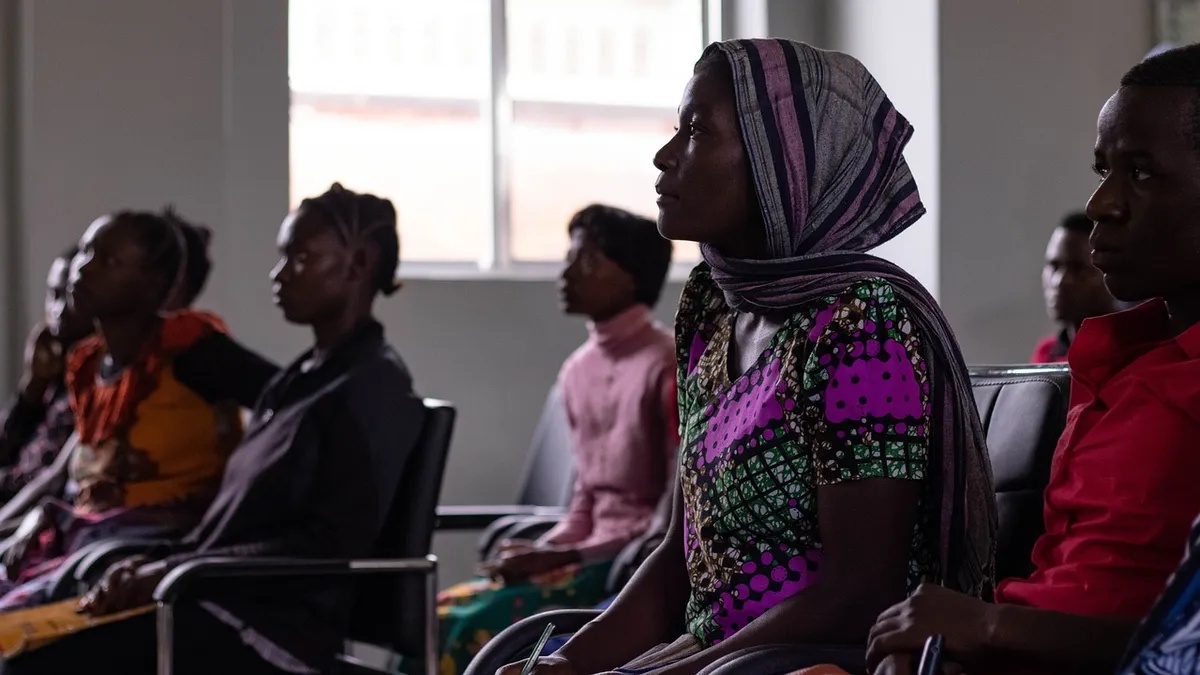
A parent watches from the sidelines, noting the intensity of a local tournament. Understanding the current landscape helps in planning for future educational needs.
The landscape of youth sports is characterized by both increased engagement and increasing complexity. While more children are playing, the pressure to perform at high levels can conflict with fundamental rights.
| Metric | Value |
|---|---|
| 2023 Youth Participation Rate | 55.4% |
| Cost Increase since 2019 | 46% |
I observed how these rising costs directly impact the ability of families to participate in specialized training.
The same subject is also called Youth rights in athletics.
Related
- Sports Diplomacy: Why the Korea House is a soft power tool
- Korea House Guide to Soft Power Through Sports and Culture
What are the implications of high participation rates on athlete welfare? When the coach holds the whistle, the sheer volume of participants necessitates careful oversight of athlete well-being. Increased involvement means that the potential for physical and mental strain rises alongside the opportunities for positive development. The growing population of young athletes requires that ethical frameworks are robust enough to manage this increased engagement effectively.
Sports rights youth training must account for the intensity that accompanies higher participation. Educators need to focus on how the pressure to compete can affect a minor's emotional state.
Building a foundation of rights helps mitigate the physical and mental fatigue that often appears in environments demanding high levels of commitment.
How does economic disparity affect rights implementation? An administrator reviews the budget spreadsheet, realizing that financial constraints directly challenge the goal of equitable access. The rising costs associated with youth sports create a condition where some children may be excluded from quality education and specialized training. This economic barrier limits the reach of rights-based programming.
To counteract this, programs must actively work to address the economic barriers mentioned in the guide. The coach must ensure that the focus remains on the spirit of play rather than the ability to afford premium participation.
Implementing these programs requires consistent messaging from coaches and parents to reinforce the values. This consistent reinforcement helps ensure that the spirit of play is preserved, even when financial pressures mount.






Comments 0