How did historical technology change the game?: 32 days
The evolution of tournament gear and structural requirements reflects the growing complexity of global footballing standards.
The 2026 World Cup brings a shift in how merchandise and equipment intersect with tournament logistics and player performance standards. This analysis explores the relationship between technical gear, tournament expansion, and the historical precedents of professional league requirements.
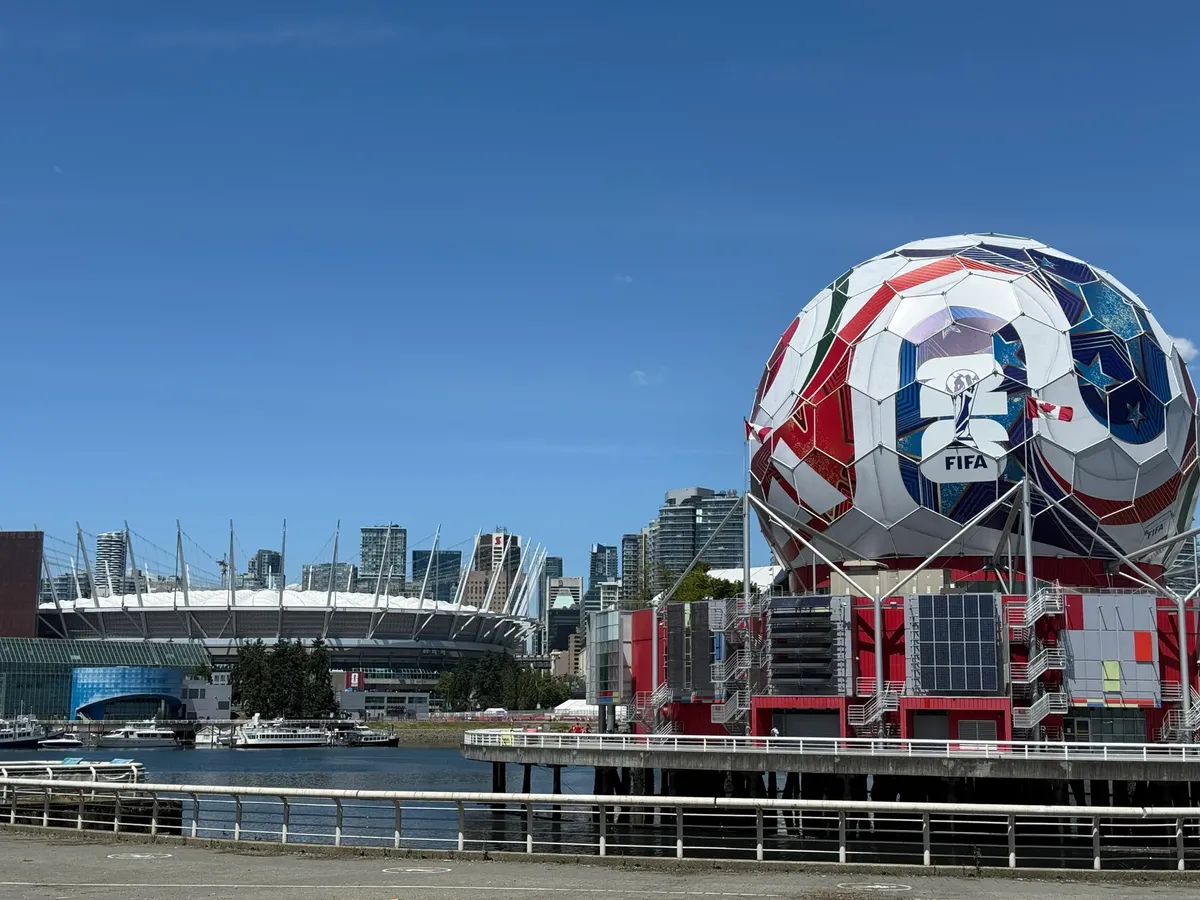
* Understanding the impact of 48-team expansion on tournament logistics. * Evaluating the historical role of professional league mandates in hosting. * Comparing modern technical requirements with historical tournament structures. * Recognizing how stadium environments influence gear and player comfort.
How does the 2026 World Cup expansion impact the tournament structure?
A massive construction crew moves heavy steel beams to prepare a stadium for the upcoming influx of fans and players. The expansion to 48 teams represents a significant shift in the scale of the competition compared to previous formats.
Historically, the tournament size grew significantly over decades. For instance, one tournament spanned 32 days and featured 32 teams, which remained the standard until the 2026 expansion to 48 teams.
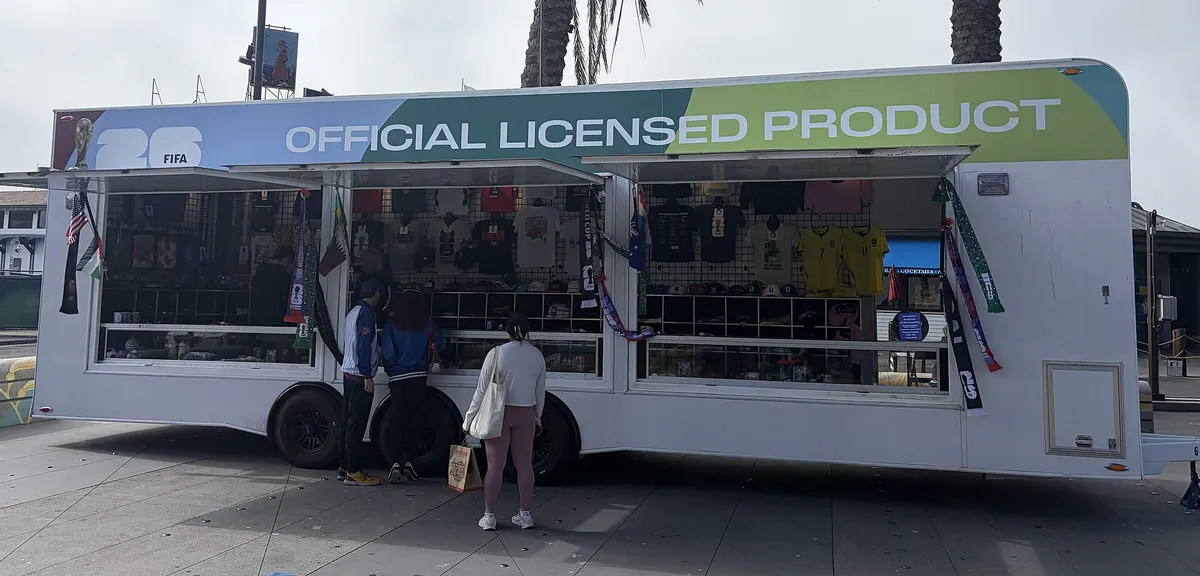
This increase requires a massive scaling of logistics, from venue availability to the production of 2026 World Cup merch.
The scale of the tournament necessitates more robust infrastructure and a wider variety of supporter gear. Managing a larger pool of athletes and fans requires advanced planning to ensure that the 2026 tournament gear trends align with the logistical realities of a 48-team field.
What role did professional league requirements play in hosting?
I sit in the quiet office at dawn, running my fingers over old blueprints as I study the historical mandates of professional league requirements.
A legal executive reviews a stack of documents to ensure all host nation requirements meet international standards. Early hosting conditions often involved strict mandates regarding the development of local footballing infrastructure.

One condition FIFA imposed was the creation of a professional soccer league. For example, Major League Soccer was founded in 1993 and began operating in 1996 as part of the groundwork for professionalizing the sport in the United States.
These types of structural requirements ensure that host nations have the organizational capacity to support global events.
Such mandates influence the availability and quality of local merchandise and professional equipment. Analyzing sports data and gear becomes more complex when the host nation must balance local professional league needs with international tournament standards.
How do stadium environments influence player gear and performance?
An engineer monitors a digital control panel to adjust the temperature within a massive, empty arena. Modern stadiums are increasingly designed to mitigate environmental stressors that could affect player performance and the durability of equipment.
Temperature control is a vital component of modern venue design. Some stadiums are equipped with cooling systems that aim to reduce temperatures within the stadium by up to 20 °C (36 °F).
This level of climate control is essential when managing the physical demands placed on athletes during high-stakes matches.
The intersection of sports science merch effect and player comfort is evident in these temperature-controlled environments. Ensuring that the playing surface and the air quality remain stable helps maintain the integrity of the game and the effectiveness of specialized athletic gear.
How did historical technology change the game?
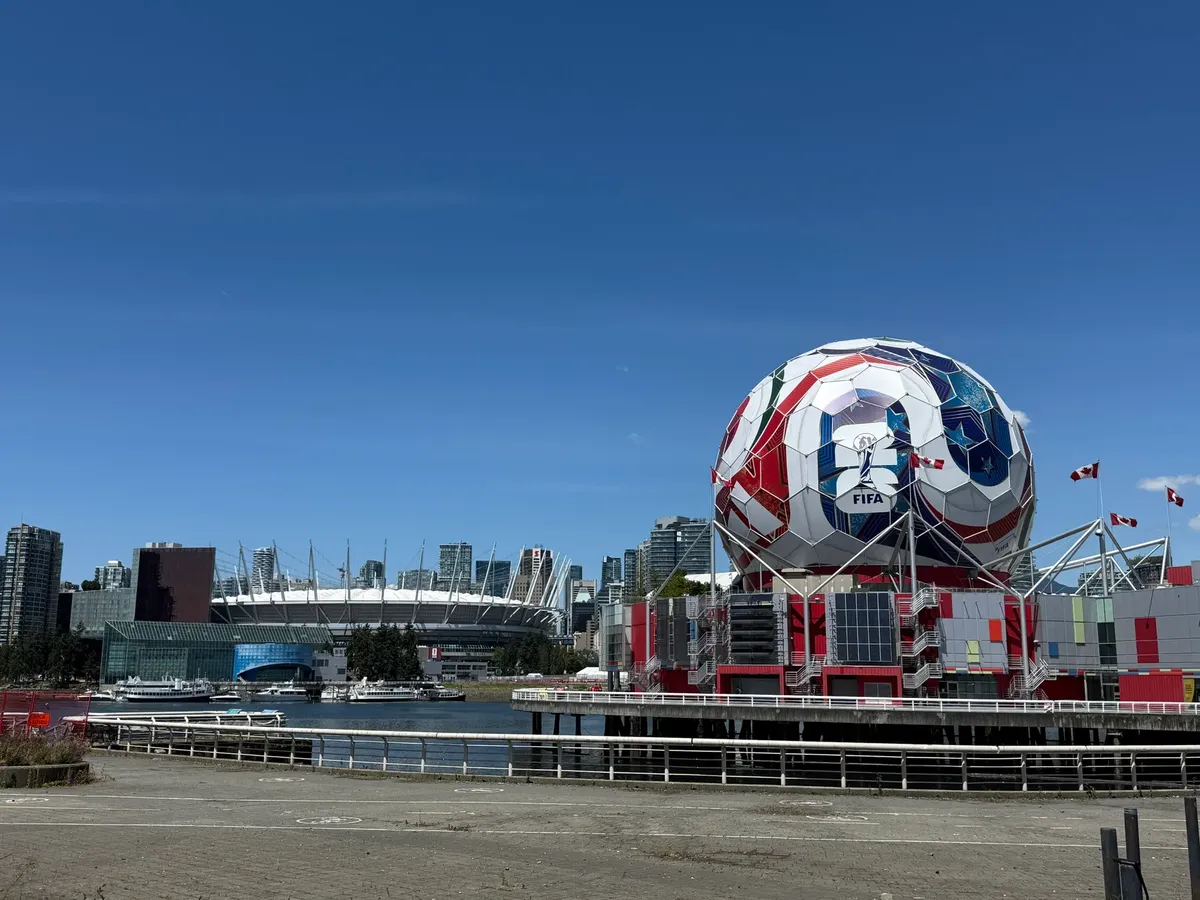
A technician calibrates a high-speed camera near the goal line to ensure precision during a match. The integration of technology into the game has fundamentally changed how officiating and equipment are managed.
According to the International Football Association Board, FIFA sanctioned the use of goal-line technology in early July 2012, following the International Football Association Board's official approval through amendments to the Laws of the Game to permit its use.
The introduction of new tools was often subject to specific regulatory oversight.
In early July 2012, FIFA sanctioned the use of goal-line technology, subject to rules specified by the International Football Association Board (IFAB), who had officially approved its use by amending the Laws of the Game to permit (but not require) its use.
This technological shift changed how officials interact with the field and how players engage with the rules.
This shift also impacts how merchandise and digital interfaces are developed for fans. Understanding how merch affects game strategy is a secondary effect of how much technology permeates the modern pitch and the surrounding fan experience.
What are the logistical parallels between different tournament formats?
A logistics coordinator maps out travel routes for dozens of teams across a vast geographic area. Comparing different tournament formats reveals the challenges of managing much larger, more spread-out competitions.
Different tournaments have utilized vastly different geographic constraints. One tournament was the most compact since the inaugural edition in 1930, with 24 of the 32 teams being within a 10 km radius of each other, concentrated within the Doha Area.
In contrast, larger tournaments require much more extensive travel and a broader distribution of supplies.
The transition from compact, localized tournaments to large-scale, multi-nation events changes the scope of merchandise distribution. Planning for such a transition involves managing the complexities of much larger travel schedules and venue networks.
- How does the 2026 World Cup expansion impact the tournament structure?
- What role did professional league requirements play in hosting?
- How do stadium environments influence player gear and performance?
Related
- How does history shape the training environment?: 30 km
- How can professional leadership shape sports science?: 10 km
How does the evolution of tournament gear relate to logistical scaling?
The evolution of tournament gear must account for the increased scale of the competition. Managing a larger pool of athletes necessitates that 2026 World Cup merch production scales appropriately with the 48-team field.
This requirement is directly tied to the logistical realities of supporting a significantly larger event structure.
The comparison between past and present tournament structures highlights this gear evolution. When the tournament was smaller, the logistical demands on merchandise distribution were less extensive. Now, the expanded structure demands a more robust and varied supply chain for all tournament gear.
What are the conditions for modern stadium design in tournament hosting?
Modern stadium design conditions focus heavily on mitigating environmental stressors for player comfort. Temperature control represents a key condition, as some venues employ cooling systems to lower internal temperatures significantly.
This design element supports the specialized athletic gear utilized by players during intense competition.
The intersection of sports science merch effect and player comfort is managed through these environmental controls. Maintaining stable air quality and a consistent playing surface helps preserve the integrity of the game and the intended function of the advanced tournament gear.







Comments 0