How does history shape the training environment?: 30 km
"The true measure of a club's legacy lies not just in its trophies, but in the structural foundation that nurtures talent across generations."
Effective player development requires a blend of historical heritage, advanced facilities, and structured youth academies. This guide explores the core components of successful club management, focusing on the strategic elements used in Portuguese sports culture to foster elite talent.

Key takeaways: * Integration of historical identity with modern training facilities. * Importance of structured youth academies for long-term growth. * The role of social initiatives and community engagement in club stability.
How does history shape the training environment?
As the morning sun hits the museum halls, I touch the cold trophies and wonder how legacy does inspire the athletes.
Walking through the quiet halls of the Sporting Museum in Lisbon, one can feel the weight of over a century of achievement.
According to Museu Sporting) is divided into several, the Sporting Museum was inaugurated on 31 August 2004 in Lisbon and features various thematic areas representing the club's heritage and achievements across thirty-two different modalities.
The museum, inaugurated on 31 August 2004, is divided into several thematic areas that express the wealth of the club's heritage and its sporting achievements over more than a century of existence in thirty-two different modalities.
This deep historical context provides a psychological foundation for players entering the system. By understanding the legacy of those who came before, athletes gain a sense of purpose that transcends simple physical training.
This connection to the past helps maintain standards during periods of transition.
How will these facilities grow my players? Portugal club training methods
Standing at the training center entrance at dawn, I watch the grass sway and see how the modern space does prepare the team. Standing at the entrance of the training facility in Alcochete, located 30 km east of Lisbon, the modern infrastructure becomes clear. This facility, which opened on 21 June 2002, serves as the central hub for daily tactical and physical preparation.
The presence of dedicated spaces allows for specialized coaching across different age groups. High-quality facilities ensure that the physical demands of modern football can be met safely and effectively.
Such environments are essential for transitioning young players from academy life to professional competition.
According to World Bank, the 2024 record includes 88.5%.
How is the youth academy structured?

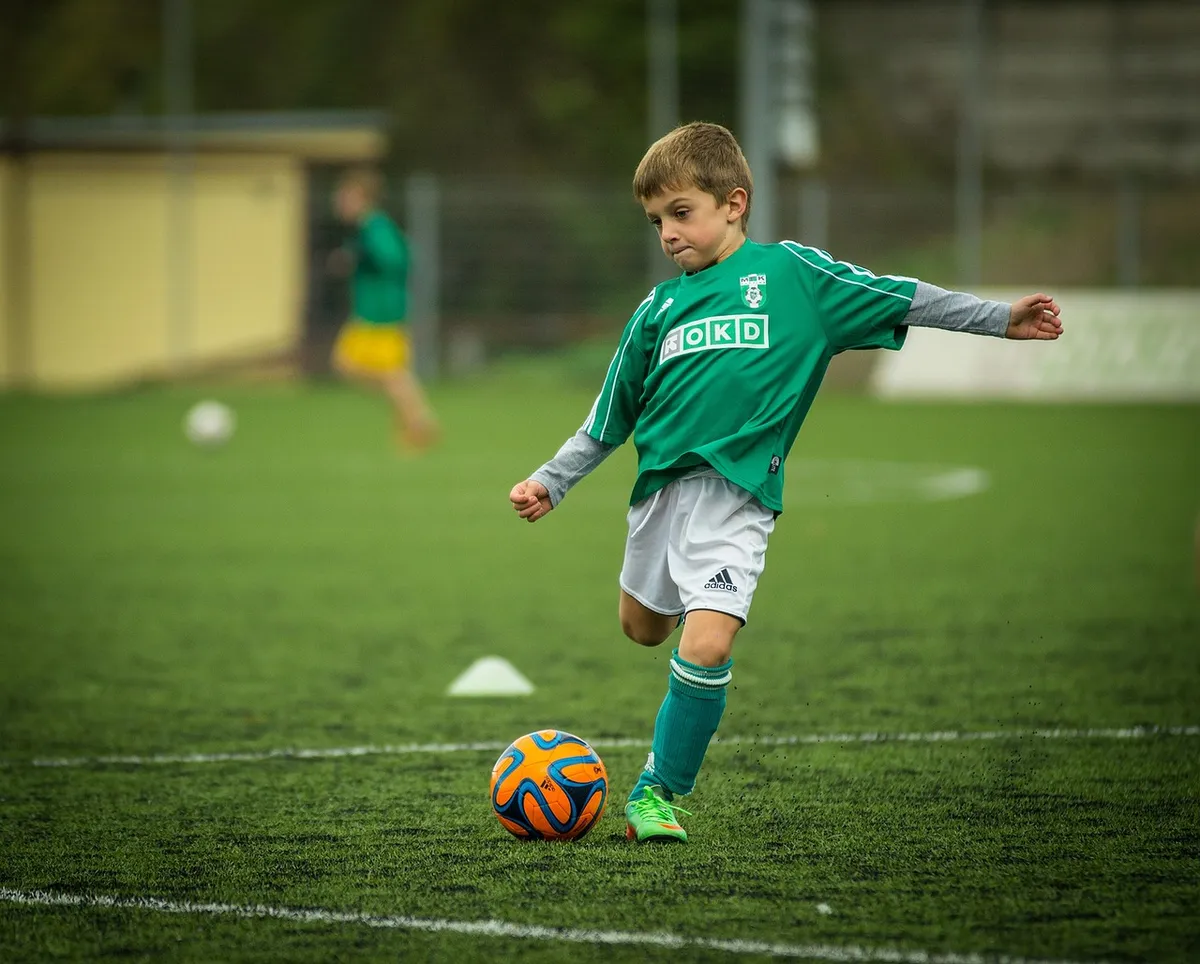
A young player walks into the academy building, looking at the various age-group kits lined up in the hallway. The Sporting CP Youth Academy acts as the primary engine for development, hosting U23, U19, U17, and U15 youth teams.
This hierarchical structure ensures a clear pathway for talent progression. Each level is designed to address specific developmental milestones:
- Foundation: Focusing on technical skills in the U15 and U17 groups. 2. Tactical Integration: Moving toward team dynamics in the U19 group. 3. Professional Readiness: Testing competitive maturity in the U23 squad.
A final check of the player's progress ensures they are ready for the jump to the senior squad. This methodical approach prevents talent from being lost during the transition to professional football.
Can social initiatives keep my club stable? A community organizer meets with club representatives to discuss the impact of local outreach programs.
While the club had already developed social solidarity initiatives throughout its history, in 2006 it created a section called Sporting Solidário, which until the creation of the Sporting Foundation developed a series of social solidarity actions.
These initiatives build a bridge between the club and its supporters, creating a stable social environment. A strong community bond can act as a buffer against external pressures. This social integration is a vital part of the broader club identity.
What are the limitations of modern training?
An analyst reviews data on a tablet, noting how external factors can disrupt even the most organized training schedules. While modern facilities provide an edge, they cannot entirely insulate a club from human elements or historical volatility.
One significant limitation is the impact of unpredictable external events on the training environment. For instance, on 15 May 2018, days after finishing third in the league, several players and coaches were attacked by around 50 ultra supporters of Sporting at the club's training ground.
Such incidents demonstrate that even the most advanced training methods remain vulnerable to social and security challenges.
World Bank Based on the retained excerpt mentioning World Bank: According to World Bank data, Portugal recorded share of internet users of 88.5% in 2024.
- How does history shape the training environment?
- What role do specialized facilities play in player growth?
- How is the youth academy structured?
The subject here is Portugal club training methods.
The same subject is also called Portuguese team development.
The same subject is also called Club training science.
The same subject is also called Strategic teamwork soccer.
The same subject is also called Player growth Portugal.
This part also covers Sports science in Portuguese clubs.
This part also covers Tactics and player transfer.
This part also covers Analyzing match results training.
Sports science in Portuguese clubs
Related
- How can professional leadership shape sports science?: 10 km
- What are the financial challenges for families?
How does the true measure of legacy relate to community involvement? The true measure of a club's legacy extends beyond athletic victories to encompass its relationship with the local populace. Social solidarity initiatives demonstrate how a club embeds itself within the community fabric. This integration helps secure a stable environment for the club's ongoing operations.
Community engagement provides a vital component of the club's overall identity. When the club actively participates in local outreach, it builds a durable connection with its base. This bond serves as a protective measure against outside pressures that might otherwise destabilize the organization.
What conditions necessitate a methodical progression in the academy? The structured nature of the youth academy is necessary because talent progression requires addressing specific developmental milestones at each stage. Each level is designed to build upon the skills acquired in the prior phase. This careful sequencing ensures that players are prepared for the next level of competition.
This methodical approach prevents the loss of potential talent during the transition to senior football. A final check of the player's progress confirms readiness before they advance to the professional ranks. This careful vetting is part of the overall successful club management strategy.







Comments 0