Niche Sports: How Major Games Reflect Modern Athletic Trends
"The stadium lights reflect off the polished floor as an athlete prepares for a brand-new discipline."
The Asian Games serve as a massive stage where traditional athletics meet the evolving world of leisure and lifestyle sports, bridging the gap between professional competition and community engagement.
This article explores how these games integrate modern trends, the meaning behind leisure sport programs, and how fans can transition from spectators to active participants.
* How the Asian Games integrate niche and modern sports. * The connection between competitive athletics and leisure sport culture. * Why experiential programs are vital for community health. * How to start your own journey into these evolving disciplines.
Why do new sports keep appearing in major games?
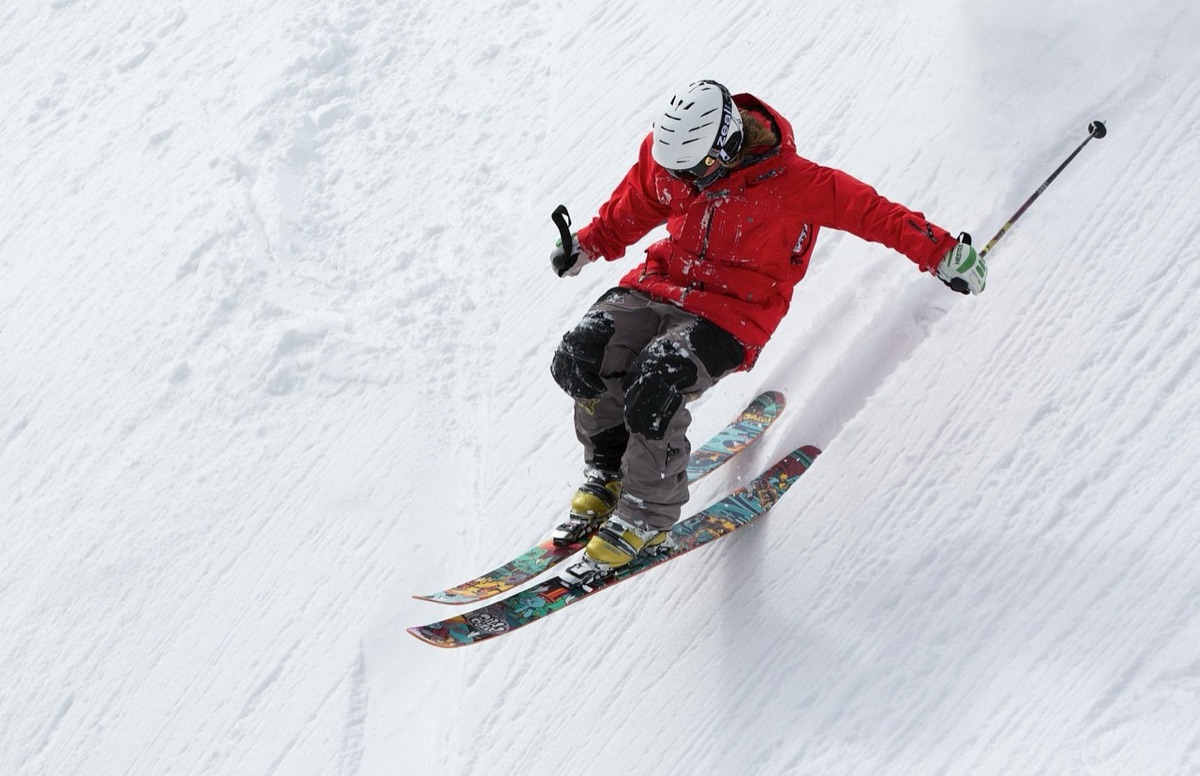
A young athlete stands at the edge of a synthetic track, looking toward a field where a sport she has never seen before is about to begin. The shift toward diverse disciplines is a response to changing global interests and the desire to keep the spirit of competition fresh for younger generations.
According to the International Olympic Committee, Macau has been allowed to compete as one of the NOCs in the Asian Games since 1990.
The inclusion of new sports is a strategic move to reflect modern athletic trends and maintain engagement across different demographics.
For instance, the integration of niche sports allows for a broader representation of physical culture, turning what was once a hobby into a recognized competitive field.
This evolution ensures that the games remain relevant to a changing world where leisure activities often become professional pursuits.
The process of integrating these sports involves several key factors: 1. Identifying growing global participation rates in specific disciplines. 2. Testing the logistical feasibility of niche sports in major stadium settings. 3.
Balancing traditional heritage sports with modern, high-engagement activities.
This expansion is not just about adding more events; it is about redefining what it means to be an athlete in the 21st century.
How does the inclusion of bandy change the competitive landscape?
The cold wind bites at the faces of players as they glide across a frozen surface, preparing for a match that feels both ancient and brand new. The introduction of specific winter or niche sports challenges the traditional hierarchy of established athletic disciplines.
As noted by the Australian Olympic Committee, a small contingent of athletes was allowed for the 2022 Games provided certain qualifications were met.
The inclusion of men's bandy for the first time at the games represents a significant shift toward recognizing diverse playing styles and regional specialties.
According to the provided documentation, men's bandy was included for the first time at the games, marking a milestone for ice-based team sports. This move validates the hard work of athletes who practice disciplines that may not have widespread global infrastructure but possess deep cultural roots.
By bringing these sports to a major stage, organizers provide: * Increased visibility for specialized equipment manufacturers. * A platform for regional talent to gain international recognition. * New opportunities for sponsorship and media coverage.
This shift toward variety ensures that the games act as a living catalog of human physical achievement.
What is the connection between professional games and leisure sports?
A group of friends gathers at a local park, laughing as they attempt to mimic the precise movements of the professional players they watched on television last week. The line between a professional athlete and a leisure enthusiast is increasingly blurred by the visibility of these major events.
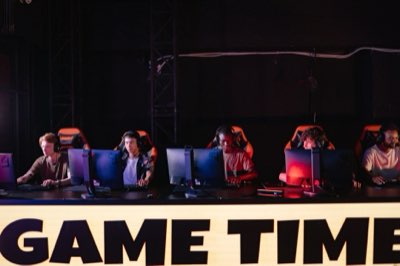
The Tokyo Olympic Committee also planned to arrange a number of esports events leading up to the 2020 games.
The relationship between major games and leisure sports is symbiotic; the games provide the inspiration, while leisure programs provide the engagement.
When a sport is showcased on a global stage, it often triggers a surge in grassroots participation, as people seek to experience the thrill of the game firsthand. This transition from spectator to participant is the fundamental driver of leisure sport growth.
This cycle works through several stages: 1. Spectatorship: Fans watch the professional level of a sport. 2. Inspiration: The spectacle of the games sparks interest in the discipline. 3. Participation: Individuals join local clubs or leisure programs to try the sport. 4.
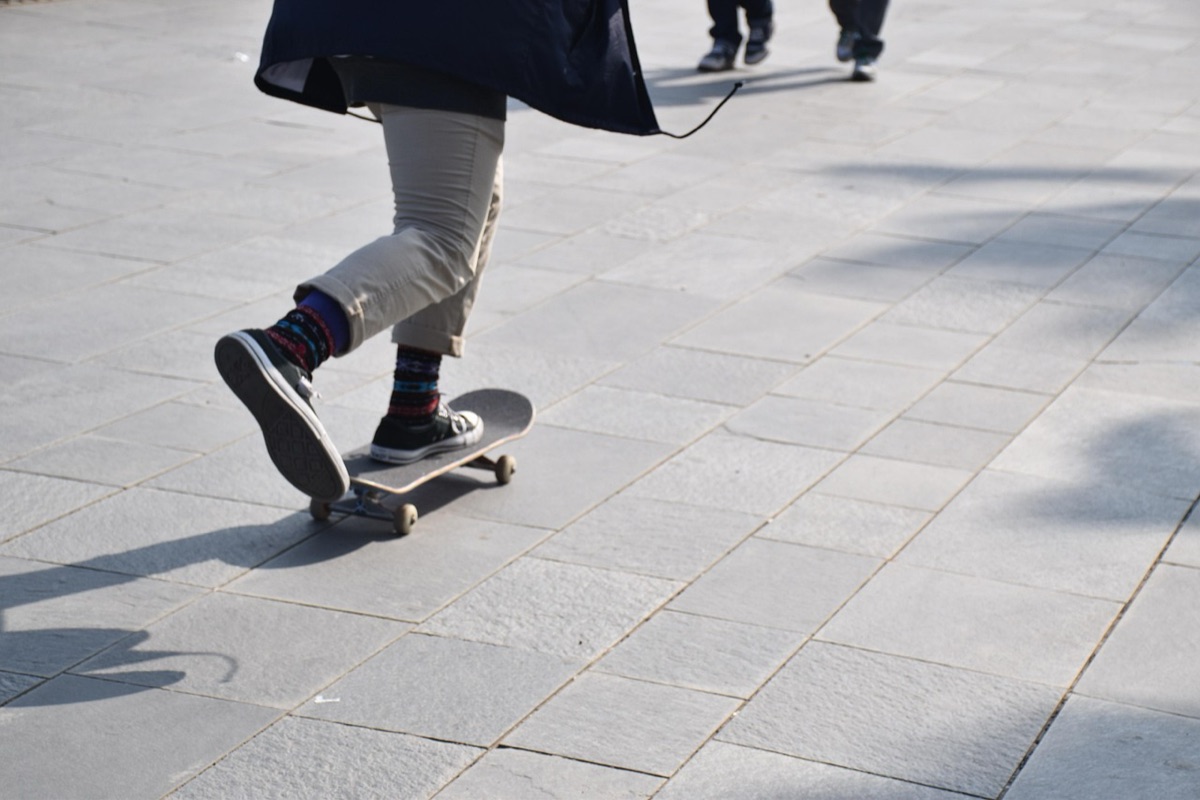
Community Building: Local engagement creates a sustainable culture of activity.
This cycle turns a single event into a lasting social movement.
Why are experiential leisure programs so important?
A child grips a colorful racket for the first time, eyes wide with wonder as they realize they can actually play the sport they saw on TV. These hands-on programs serve as the bridge between passive watching and active living.
Experiential leisure sport programs are vital because they provide the necessary infrastructure for beginners to enter new disciplines safely and effectively. These programs often focus on the joy of movement rather than just the pursuit of gold medals, making them accessible to the general public.
By offering structured environments, organizers can teach fundamental skills that prevent injury and foster a lifelong love for physical activity.
Key benefits of these programs include: * Skill acquisition through professional coaching in a low-pressure environment. * Social integration through team-based leisure activities. * Physical health improvements through structured, varied movement.
These programs ensure that the energy generated by major games is channeled into healthy, productive community habits.
How can individuals start exploring these new disciplines?
A person stands in a gear shop, looking at a collection of specialized equipment that feels both intimidating and exciting. The journey from a curious observer to a practiced enthusiast requires a clear path of entry.
Starting a journey into a new sport requires a balance of curiosity and practical preparation. Most individuals begin by seeking out local clubs or community centers that offer introductory courses.
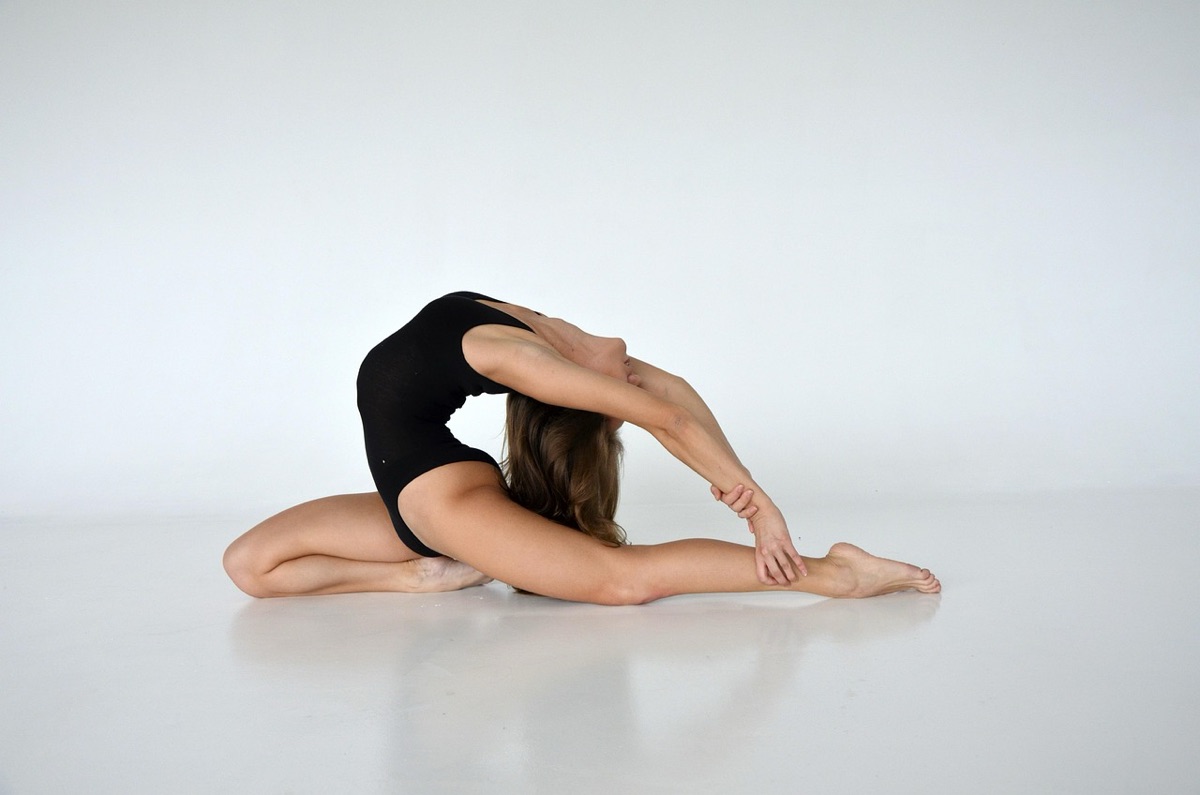
These entry points are designed to lower the barrier to entry, providing the necessary equipment and guidance to those who are new to the discipline.
To successfully transition into a new sport, follow these steps: 1. Research the requirements: Understand the necessary gear, physical demands, and local availability of the sport. 2. Join an introductory program: Look for "taster" sessions or beginner clinics that focus on fundamental techniques.
- Find a community: Connect with local clubs to ensure consistent practice and social support. 4. Set realistic goals: Focus on skill mastery and enjoyment rather than immediate competitive success.
I remember standing in a local gym, looking at a set of equipment I didn't recognize, wondering if I could ever master it; that first step of joining a beginner class changed everything.
What are the limitations of this sport evolution?
A seasoned athlete watches a newcomer struggle with the rules of a new sport, noting the gap between traditional mastery and modern experimentation. While growth is positive, it is not without its challenges and trade-offs.
The rapid expansion of sport disciplines can lead to challenges regarding standardization and resource allocation. Not every sport can be easily integrated into a major stadium, and some traditional disciplines may feel overshadowed by the flashy, media-friendly new additions.
Furthermore, the cost of specialized equipment for niche sports can act as a barrier to entry for lower-income participants.
It is important to note that: * Infrastructure requirements vary wildly between traditional and modern sports. * The focus on "spectacle" can sometimes detract from the depth of traditional training. * Resource competition between established and new sports is a constant reality.

This reality requires careful management to ensure that the growth of new sports does not come at the expense of historical athletic heritage.
When I tried the steps in order, the second one is where I paused longest.
However, this does not apply in every situation.
Major games serve as a catalyst for leisure culture by providing visibility and inspiration for various athletic disciplines. This visibility often leads to increased grassroots participation as fans transition from spectators to active participants through local clubs and programs.
Related



Comments 0