eSports Teamwork Guide: How to Master Competitive Synergy
This article is about Competitive. "Victory is not won by the fastest click, but by the most cohesive unit."
Effective eSports teamwork requires precise communication, rapid adaptability to shifting game states, and a shared strategic vision that transcends individual mechanical skill.
This guide explores how professional teams cultivate synergy, manage high-pressure decision-making, and develop tactical depth to dominate competitive arenas.
* Mastering synchronized communication through concise callouts. * Developing contingency plans for unpredictable match shifts. * Understanding the balance between individual mechanics and team objectives. * Implementing structured game routines to maintain mental focus. * Analyzing how professional teams manage time constraints and high-stakes environments.
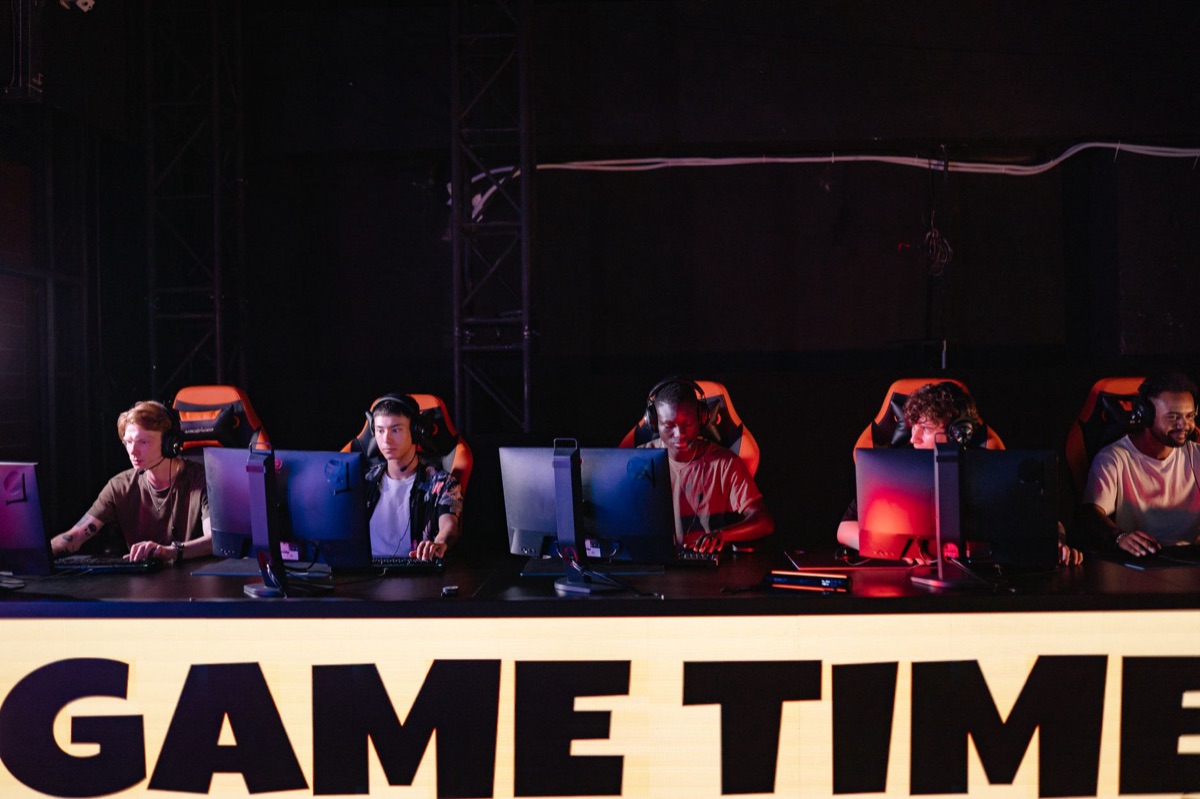
How do teams manage high-stakes pressure during a match?
The stadium lights hum overhead, and the sudden roar of the crowd vibrates through the gaming chair as the countdown hits zero. In these moments, players must transition from mental preparation to instantaneous execution without losing their strategic footing.
Competitive gaming is defined by its volatility, where a single second of hesitation can erase hours of preparation. Successful teams manage this by maintaining a strict focus on objective-based play rather than individual glory.
According to professional analysis standards, teams must balance high-stakes environments with precise time management, such as managing ranked matches that might last only 3 minutes while maintaining the same level of intensity as longer casual matches that last 3 minutes and 30 seconds.
Effective teams treat every second as a resource. They do not just react to what is happening; they proactively manage the clock to force opponents into mistakes.
This level of discipline is what separates amateur players from professional competitors who treat every match as a series of calculated risks.
What are the pillars of in-game execution and game tactics?
A player stares at the monitor, fingers hovering over the mechanical keyboard, waiting for the precise moment to engage. The silence of the headset is broken only by the rhythmic tapping of keys and the breathing of teammates.
The foundation of any winning team is the ability to turn a theoretical strategy into real-time action through synchronized communication and tactical discipline. Without a shared language, even the most skilled players will fail to function as a unit.
| Pillar of Teamwork | Description | Primary Goal |
|---|---|---|
| Synchronized Communication | Real-time, concise verbal updates and callouts. | Eliminate ambiguity in decision-making. |
| Contingency Planning | Developing 'if/then' responses for unexpected shifts. | Maintain composure during chaos. |
| Role Specialization | Assigning specific tasks based on character strengths. | Maximize efficiency of every player. |
| Macro-Management | Controlling the overall flow and map objectives. | Dictate the pace of the match. |
Effective execution relies on the ability to pivot. Teams do not just plan for a single scenario; they develop multiple 'if/then' responses to counter unexpected opponent tactics or sudden in-game shifts. This prevents the team from freezing when a plan fails.
Why is communication the heartbeat of eSports?
The headset is tight against the ears, and the voice of the shot-caller cuts through the noise of the game's sound effects. Every syllable is purposeful, designed to convey maximum information with minimum delay.
In the heat of battle, there is no room for long sentences or emotional outbursts; communication must be surgical. Effective teamwork requires concise, real-time callouts that provide immediate situational awareness to all members of the squad.
When a player calls out an enemy position or a specific ability usage, they are not just sharing information; they are providing the data necessary for the team to execute a counter-move. This requires a shared vocabulary where certain words trigger immediate, instinctive reactions from the team.
If the communication breaks down, the tactical structure collapses, regardless of how much mechanical skill the individuals possess.
How do professional teams develop game tactics?
A coach sits behind the players, reviewing footage of a previous match on a tablet while the team discusses a specific engagement pattern. The room is quiet, filled only with the sound of strategic debate.
Developing deep game tactics involves studying opponent patterns and building a playbook that can be deployed under pressure. This process moves beyond simple reaction and into the realm of psychological warfare and resource management.
- Phase 1: Scouting and Data Collection. Teams analyze opponent tendencies, preferred routes, and ability timings to build a profile of their competition. 2. Phase 2: Scenario Simulation. During practice, teams run through specific "what-if" scenarios to practice their response to various combat or objective-based situations. 3. Phase 3: Strategy Refinement. Based on results from scrimmages, the team adjusts their composition and engagement rules to optimize their win rate. 4. Phase 4: Real-time Adaptation. During live matches, the team applies these practiced maneuvers while remaining flexible enough to deviate when the opponent presents a new variable.
This structured approach ensures that when the unexpected happens, the team is not starting from scratch but is instead executing a pre-practiced contingency.
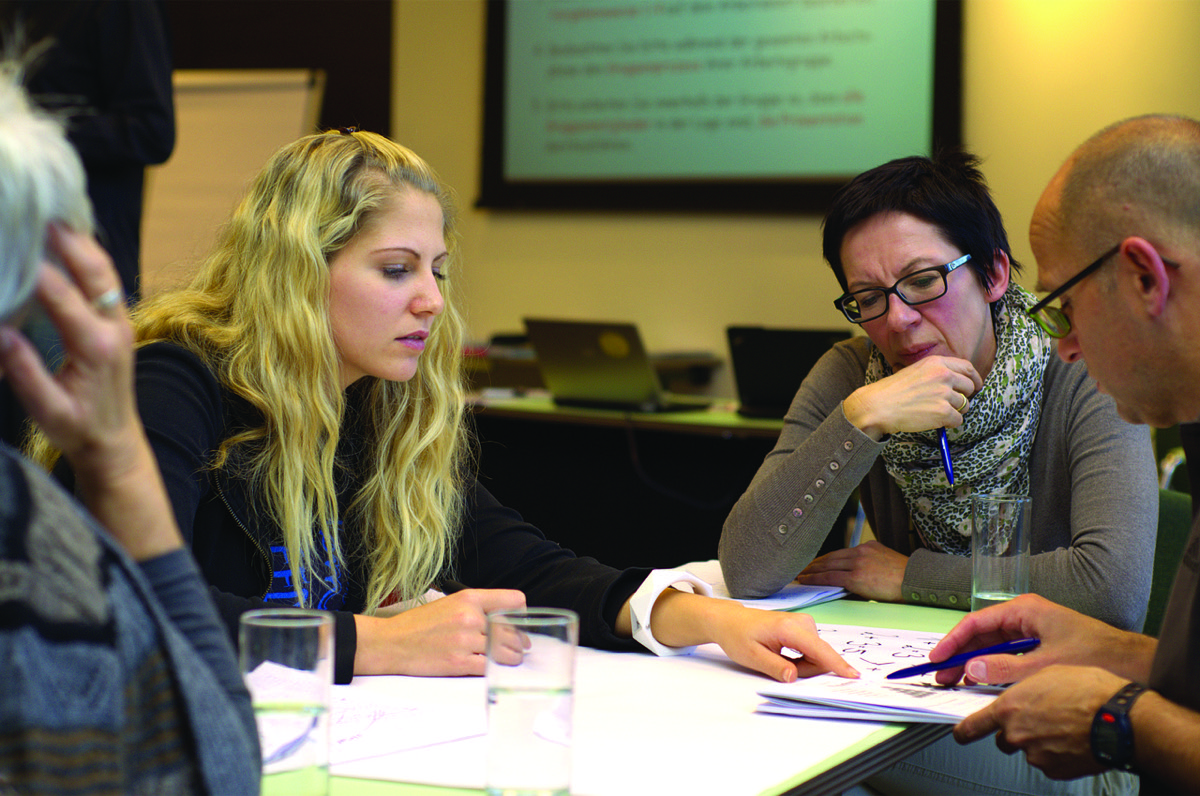
How do players maintain focus through game routines?
The sun rises over the training facility, and a player sits down at their desk, performing the same precise stretches and warm-up drills they have done every morning for years.
Consistency is the enemy of variance. To perform at a high level, players must cultivate specific game routines that prepare their hands, eyes, and minds for the rigors of competition. These routines serve as a mental trigger, signaling to the brain that it is time to enter a state of flow.
A typical professional routine might include: * Mechanical warm-ups (aim training or movement drills) to prime muscle memory. * VOD review sessions to analyze recent gameplay and strategic errors. * Physical exercises to prevent repetitive strain injuries and maintain stamina.
* Mental conditioning to manage stress and maintain emotional stability.
By automating these behaviors, players reduce the cognitive load required to start a match, allowing them to dedicate their full mental energy to the strategic complexities of the game itself.
What are the limits of teamwork in competitive gaming?
A player makes a brilliant individual play that secures a kill, but the rest of the team is caught out of position, leading to a lost objective. The victory feels hollow as the screen fades to black.
While teamwork is essential, it is not a substitute for individual mechanical proficiency. There are moments in competitive play where a player's personal skill must carry the team through a situation where the collective strategy cannot prevail.
It is important to note that teamwork cannot fix fundamental deficits in individual ability. If a player cannot hit their shots or manage their character's basic mechanics, no amount of communication will bridge that gap.
Furthermore, over-reliance on a single leader can lead to a single point of failure; a healthy team requires multiple players who can step up when the primary shot-caller is incapacitated or overwhelmed.
When I tried the steps in order, the second one is where I paused longest.
However, this does not apply in every situation.
Related



Comments 0