Rookie first practice strategy: drills for muscle memory
"The journey from a local field to a professional diamond begins with a single, disciplined practice session."
A rookie first practice strategy focuses on mastering fundamentals and building physical endurance to bridge the gap between amateur play and professional standards. This guide covers essential training pillars, the significance of early development, and how to navigate competitive structures.
Key takeaways include prioritizing repetitive drilling, understanding competitive landscapes, and managing the transition from youth leagues to professional play.
How do you build a rookie first practice strategy?
At dawn, the rookie wipes sweat from his brow while gripping a heavy bat in the quiet training facility.

A player grips a worn leather glove and steps onto the dirt, feeling the weight of expectation in every movement. Building a rookie first practice strategy requires a balance of high-repetition drills and mental conditioning to handle the pressure of professional environments.
Effective training begins with isolating specific mechanics, such as grip, stance, and swing plane. By focusing on these individual components, a player ensures that their foundation is solid before moving to team-level drills.
This methodical approach prevents the development of bad habits that are difficult to correct later in a career.
New player training tips often emphasize the importance of repetition to build muscle memory. A player must perform the same motion hundreds of times to ensure it becomes instinctual during high-stakes games. This repetition is the bridge between conscious effort and unconscious execution.
The importance of first practice lies in setting a professional tone for all future training sessions. It is not merely about physical exertion but about establishing a routine that can withstand the rigors of a long season. A strong start builds the mental resilience needed to face setbacks.
What are the key elements of a baseball rookie debut?
The bright stadium lights shine down on a nervous player waiting in the dugout for their first official appearance. A successful baseball rookie debut relies heavily on the groundwork laid during intensive early training and the ability to adapt to professional game speeds.
Transitioning from youth leagues to professional play involves a significant jump in competition and speed. Players must adapt their timing and reaction speeds to match more experienced opponents. This adaptation is a primary goal of early player development.
Young player training plan structures often include specialized drills to increase hand-eye coordination. These drills prepare the athlete for the faster pitching and sharper fielding they will encounter in professional leagues. Mastery of these skills is essential for survival in competitive play.
Early player development stages frequently involve a mix of individual skill work and tactical understanding. While physical tools are vital, understanding game situations and strategy is what separates a mere athlete from a professional player.
This mental edge is cultivated through constant study and repetition.
According to Little League, the 1990 record includes 3 million.
How do we understand the scale of global baseball participation?
At dusk, a rookie stares at the vast, sun-drenched field where thousands of players gather to play.
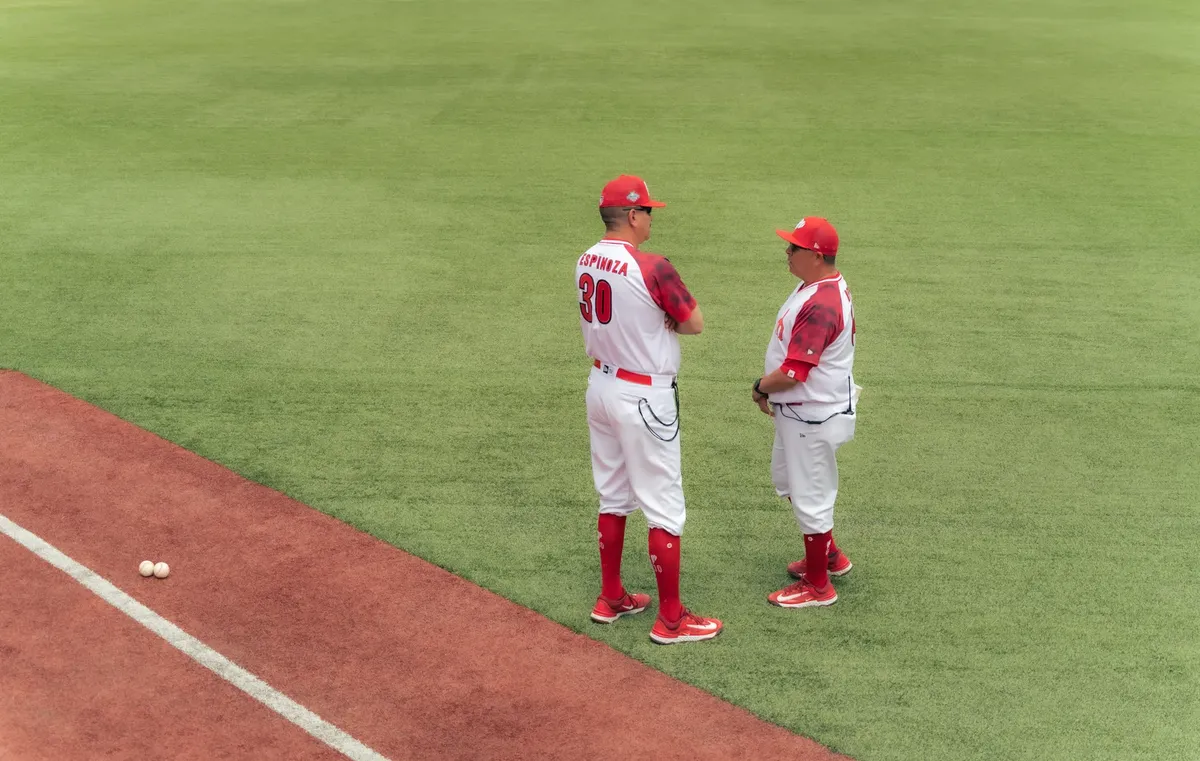
A group of young athletes gathers at a local park, looking up at the professional players they hope to become. Understanding the scope of the game helps put individual training into a global context, highlighting the vast field of competition.
The scale of the game is immense, with widespread participation across many nations. According to Wikipedia: Baseball, as of 2024, Little League Baseball oversees leagues with 2 million participants in more than 80 countries.
This massive network provides a constant pipeline of talent for professional leagues.
The competitive landscape has seen shifts in participation over the decades. For instance, the number of players has fallen since the 1990s, when 3 million children took part in Little League Baseball annually. This trend highlights the need for engaging training programs to sustain interest.
Global interest also includes a significant demographic of female players. According to the president of the International Baseball Federation in 2009, between 300,000 and 500,000 women and girls play baseball around the world, including Little League and the introductory game of Tee Ball.
This diversity enriches the global baseball community.
How do professional structures shape player development?
A player looks at a bracket on a clipboard, noting the path toward a championship trophy. Professional structures, such as the Minor League system, provide a structured environment for rookies to refine their skills through competitive play.
The path to the top often involves navigating various levels of professional leagues. Most of the domestic Minor League Baseball (MiLB) leagues which are affiliated with Major League Baseball conduct playoffs after their regular season to determine champions.
These playoffs provide critical experience in high-pressure environments.
| Feature | Description |
|---|---|
| Playoff Structure | Post-season competition to determine champions |
| Affiliation | Connection to Major League Baseball |
Winning a championship in a minor league setting is a milestone in a rookie's journey. These competitive peaks serve as a testing ground for talent and mental toughness. I found that comparing these seasonal peaks to regular-season consistency was vital for my own growth.
What are the steps for a successful training transition?
A player packs their gear into a duffel bag, preparing for a move to a new training facility. Transitioning from a youth or amateur setting to a professional environment requires a structured approach to training and lifestyle management.
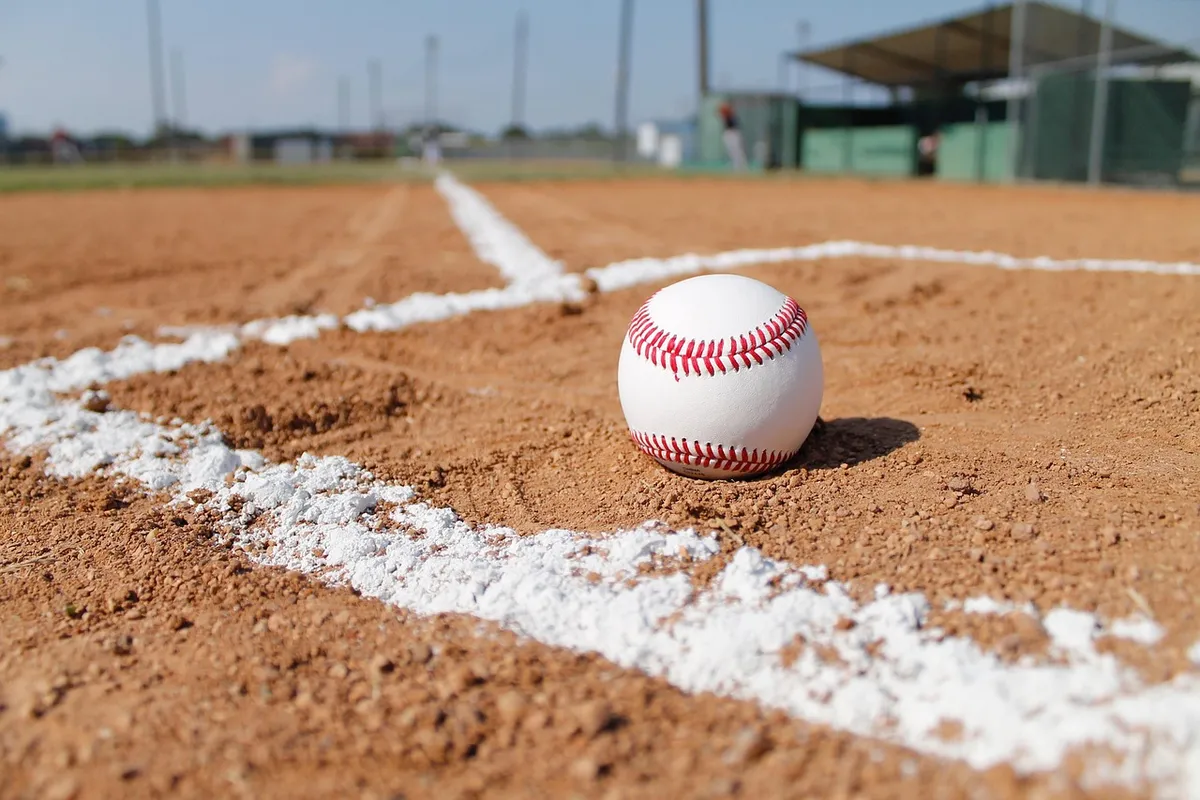
- Establish a baseline through rigorous physical testing to identify specific areas of weakness. 2. Implement a specialized drilling schedule that prioritizes high-repetition mechanics. 3. Integrate tactical game-situation drills to bridge the gap between skill and application.
A final check involves reviewing performance data and adjusting the training intensity to prevent injury. This ensures that the player remains healthy while still making progress.
The limitation of this training analysis is that it focuses on general development and does not account for specific physiological differences in individual athletes.
- How do you build a rookie first practice strategy?
- What are the key elements of a baseball rookie debut?
- How do we understand the scale of global baseball participation?
The same subject is also called First baseball drills.
This part also covers Baseball training for rookies.
Importance of first practice
Related


Comments 0