Data-Driven Sports: Why Modern Leagues Rely on Analytics
"The shift from local bookmakers to global digital platforms has turned every smartphone into a sportsbook, fundamentally changing how fans consume professional athletics."
The landscape of sports betting has transitioned from a niche hobby to a massive, integrated component of the global sports economy. This evolution is driven by technological accessibility, strategic media partnerships, and the massive popularity of leagues like the NBA.
Key Takeaways * The integration of real-time data and media-driven content has revolutionized the betting experience. * Major leagues are increasingly leveraging digital content to expand global reach and revenue.
ة* The distinction between being a spectator and a participant in the betting economy is blurring. * Regulatory shifts and technological ease have made sports betting a dominant cultural force.

How the smartphone changed the game
A fan sits on a crowded subway in Manhattan, thumbing through social media feeds while a live score update pops up on their screen. They tap a button, place a quick wager on a live game, and return to scrolling without missing a beat.
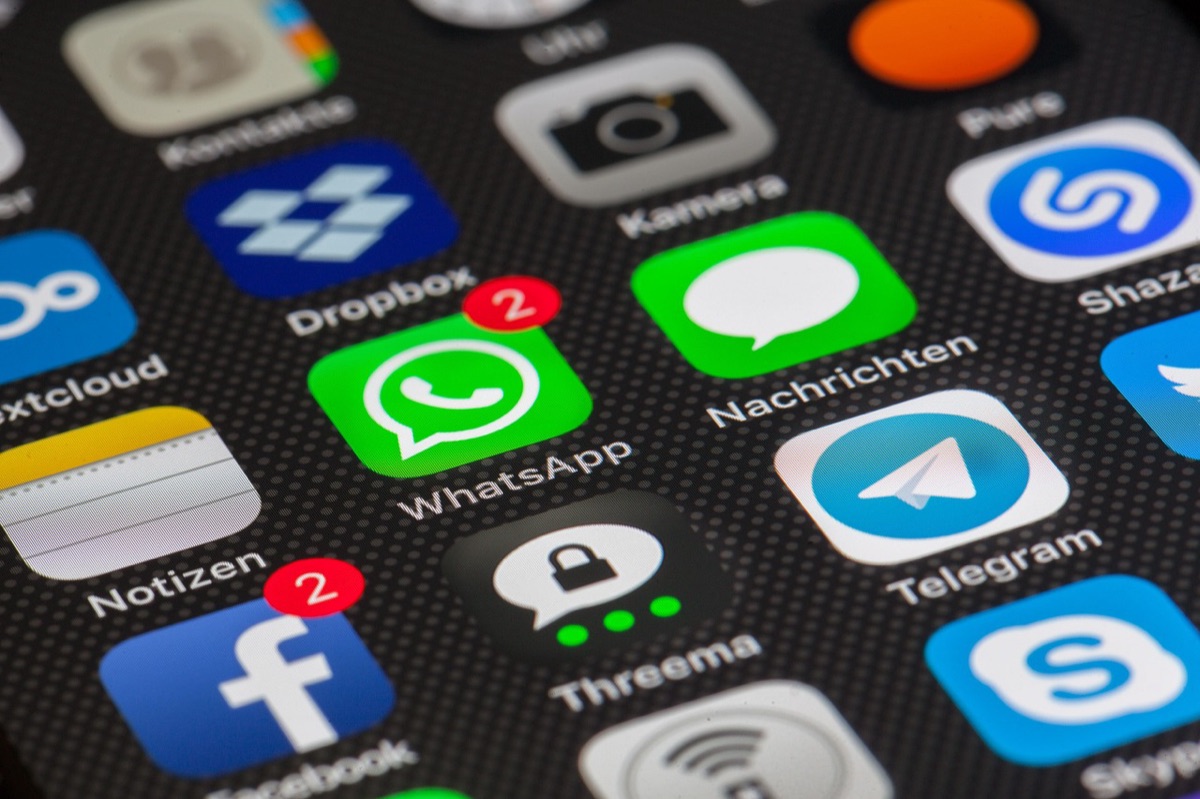
The ease of mobile access has turned sports betting from a planned activity into a continuous, background element of the fan experience. Instead of waiting for the end of a game to check results, fans now engage with live-action betting through instant notifications and seamless app interfaces.
This constant connectivity ensures that the betting market remains active every second of a broadcast.
The technological leap from physical betting shops to mobile applications has removed the friction of participation. When the barrier to entry is as low as a single tap, the volume of transactions increases exponentially.
This shift has forced leagues to rethink how they present their games to a global audience.

How much power do global media partnerships hold? In a bright studio in London, a producer watches as a highlight reel from a game in Los Angeles is instantly distributed to millions of viewers across the globe. The digital footprint of the game grows in real-time, feeding the hunger for content and the desire to place bets on the next highlight.
The expansion of media reach is a primary driver of the modern betting surge.
According to the National Basketball Association, in April s 2026, the league and Reuters entered into a partnership to globally distribute game highlights and official league content, aiming to expand the NBA's media reach and enhance its international revenue streams.
This type of strategic alliance ensures that fans in different time zones stay engaged with the action.
By making highlights available instantly, leagues provide the necessary "fuel" for the betting-driven content cycle.
When fans can watch a game recap or a key play immediately after it happens, they are more likely to engage with the statistical data and the betting markets associated with those plays. This cycle of content and engagement creates a self-sustaining ecosystem of viewership and wagering.
| Feature | Traditional Betting | Modern Digital Betting |
|---|---|---|
| Access Point | Physical Bookmakers/Telephone | Mobile Apps/Web Platforms |
| Timing | Pre-game focus | Real-time/In-play focus |
| Content Integration | Separated from broadcasts | Embedded in media feeds |
| Data Availability | Delayed or manual | Instant/Automated |
Why are specialized leagues and talent pools rising? A young player in a brightly lit arena practices jump shots, knowing that every move they make is being tracked by advanced analytics and potentially watched by scouts and bettors alike. The path from development leagues to the professional stage has become a clear, data-rich pipeline.
The creation of development leagues has provided a consistent stream of talent and statistical data, which is essential for the betting markets. In 2001, an affiliated minor league, the National Basketball Development League, now called the NBA G League, was created.
These leagues serve as vital proving grounds for players and provide a secondary market for bettors interested in emerging talent.
The depth of the professional talent pool ensures that there is always a game to watch and a market to engage with. As players move from development leagues to the major stages, they bring with them the data-driven profiles that modern bettors rely on.
This layered structure of professional sports provides a continuous cycle of competition and opportunity.

How the identity of the fan has shifted
A seasoned fan watches a game on television, occasionally glancing at a tablet to check the spread. The excitement of the game is no longer just about the final score, but about the specific outcomes of individual player performances.
The identity of the sports fan has become increasingly layered, often blending the roles of spectator and bettor. This shift has changed the way games are watched, with an emphasis on individual statistics and micro-outcomes.
The focus has moved from the collective victory of a team to the specific performance of a single athlete.
This individual-centric viewing style is supported by the way leagues manage their own identity and branding. For example, the league began to phase in the updated logo across its properties during the 2017 NBA Summer League, signaling a move toward a more cohesive, brand-driven identity.
This professionalization of the sport's image supports the legitimacy and scale of the betting-integrated fan culture.
The impact of diversified leagues on the betting ecosystem
A group of friends gathers in a living room, debating the merits of different leagues as they prepare for a weekend of heavy sports action. The diversity of available sports ensures that the betting markets never face a period of inactivity.
The inclusion of various leagues and the creation of specialized organizations have diversified the betting landscape. In 1996, the NBA created a women's league, the Women's National Basketball Association (WNBA).
This expansion added a whole new dimension of professional competition and consumer interest.
The diversity of leagues means that the betting economy is no longer dependent on a single season or a single type of athlete. Whether it is the high-flying action of the NBA or the strategic play of the WNBA, the variety of professional sports ensures a constant flow of engagement.
This variety protects the market from seasonal dips and attracts a broader demographic of participants.
Navigating the risks of the new era
A person stares at their phone late at night, the blue light reflecting in their eyes as they calculate the potential losses from a series of rapid-fire bets. The excitement of the win is often shadowed by the sudden realization of the cost.
While the growth of the industry offers massive revenue potential, it also introduces significant social and economic risks. The ease of access can lead to problematic behaviors if not managed with strict regulatory oversight.
The primary challenge for the future is balancing the economic benefits of the betting-integrated sports model with the protection of the consumer.
The following steps outline how the industry has transitioned from traditional models to the current digital-first environment:
- Digital Infrastructure: The development of secure, high-speed mobile platforms allowed betting to move from physical locations to the pockets of millions. s* Content Integration: The partnership between leagues and global media-tech-firms ensured that highlights and data are available instantly to fuel live-betting. 3. Data-Driven Markets: The use of advanced analytics and the tracking of development-level players created a more complex and granular betting environment.
The expansion of the betting-integrated sports model is not without its limits. It does not apply to regions with strict prohibitions or to individuals who lack the digital literacy to navigate complex mobile platforms.
When I tried the steps in order, the second one is where I paused longest.
However, this does not apply in every situation.
Related





Comments 0