Korea House Nagoya: Best Guide to Korean Athletic Heritage
"Soft power is not just about winning games; it is about building bridges through the shared language of competition."
The Korea House in Nagoya serves as a living museum of athletic identity, acting as a vital hub for sports diplomacy through the lens of Korean culture.
This venue offers a multi-dimensional look at how athletic passion can bridge national divides, providing visitors with a deep dive into the history, equipment, and strategic spirit of Korean athletics.
* Cultural Hub: A dedicated space in Nagoya for exploring Korean identity through sport. * Diplomatic Tool: Utilizing athletic excellence to foster international exchange. * Diverse Content: Showcasing everything from traditional games to modern professional standards. * Educational Focus: Teaching the "why" behind the games, not just the "how."
Why does a dedicated space exist in Nagoya?
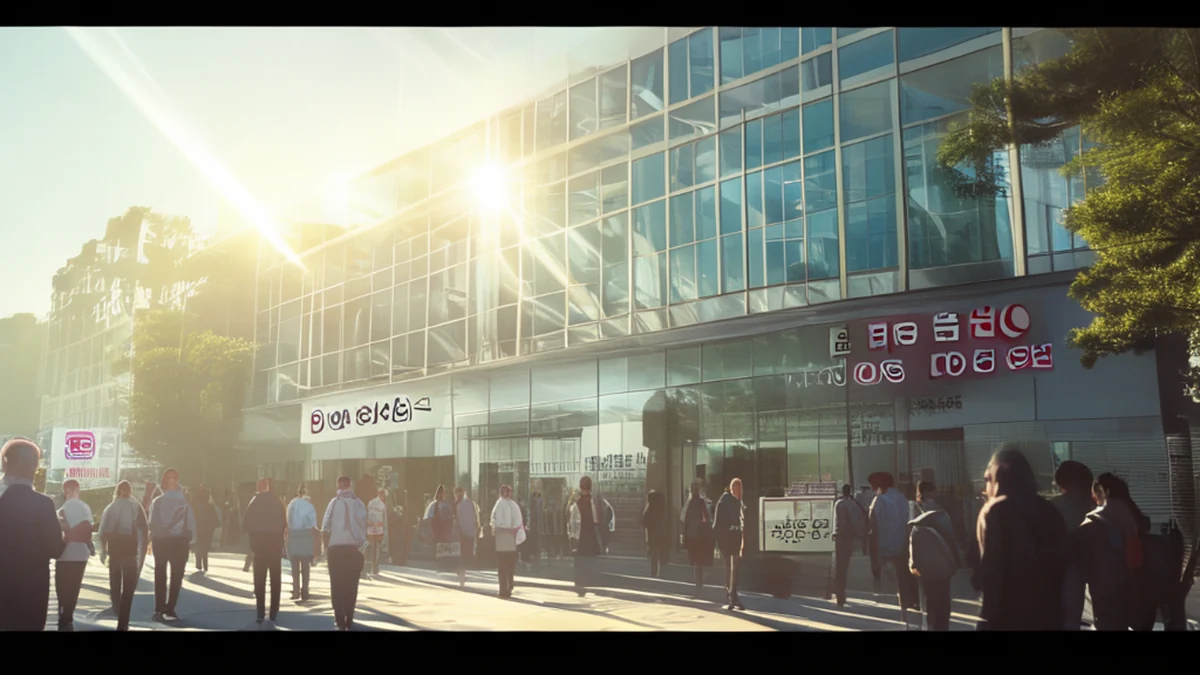
The sun hit the glass windows of the visitor center as I stood among a crowd of curious travelers, wondering why a specific building would focus so heavily on a single nation's athletic spirit.
According to the National Museum, the African Heritage House is a national monument in Kenya, classified and gazetted under the National Museums and Heritage Act in 2016.
This space exists to serve as a permanent touchpoint for cultural exchange, specifically designed to translate the energy of Korean sports into a digestible, engaging format for the local Japanese community and international tourists.
By establishing a physical presence in Nagoya, organizers aim to bypass traditional political barriers through the universal appeal of sport.
This is not merely about displaying trophies; it is about creating a venue where the values of teamwork, discipline, and perseverance are shared across borders. The goal is to turn a simple visit into a meaningful moment of international understanding.

How is Korean Sports Culture Presented at Korea House?
The heavy doors creaked open to reveal a dim hall where the sharp scent of polished wood met the rhythmic thud of movement.
I walked through the heavy doors and immediately felt the shift in atmosphere, as the quiet hum of the street was replaced by the rhythmic sounds of traditional games and the visual energy of modern athletic gear.
The venue showcases various Korean sports genres, allowing visitors to understand the culture behind the game through interactive displays and historical narratives.
The content is structured to function like a comprehensive sports encyclopedia, covering the evolution of athletic engagement from traditional roots to global prominence. Visitors can engage with different layers of the experience:
| Feature | Description | Purpose |
|---|---|---|
| Historical Exhibits | Artifacts from traditional games and early modern athletics | To provide context on national identity |
| Equipment Showcases | Modern gear used by professional Korean athletes | To demonstrate technological and athletic advancement |
| Interactive Zones | Spaces to try basic movements or traditional games | To engage the visitor physically |
| Strategy Briefings | Visual explanations of tactical shifts in Korean sports | To teach the intellectual side of competition |
This multi-genre approach ensures that the visitor does not just see a sport as a set of rules, but as a living part of a nation's soul.
What Drives the Intensity of Korean Sports Advocacy?
Standing before a portrait of a legendary athlete, I noticed how the eyes of the spectators seemed to linger on the sheer weight of the history being presented. This level of passion is not accidental; it is fueled by a deep-seated connection between national identity and athletic achievement.
This dedication is often driven by individuals who view sport as a tool for peace and unification. For example, the intense focus on sports diplomacy is often personified by figures who go above and beyond the field of play.
Prior to major championships, individuals like Ogimura visited South Korea 20 times and traveled to North Korea 15 times to plead for a unified team from the Korean peninsula.
This level of dedication underscores the deep cultural and national significance attached to Korean sports, proving that the stakes of the game often extend far beyond the final score.

How does sports diplomacy work in practice?
I watched a group of students engage in a heated but friendly debate about a specific match, realizing that the venue had successfully turned a static exhibit into a living dialogue.
According to the Richard Nixon Presidential Library and Museum, a three-day ping-pong diplomacy event was held during the week of July 8, 2011.
Sports diplomacy works by using the neutral ground of athletics to facilitate communication between different political and social groups.
In the context of the Korea House, this is achieved through several strategic methods: 1. People-to-People Exchange: Creating a space where citizens of different nations can meet through shared interests. 2.
Soft Power Projection: Using the prestige of successful athletic programs to build positive national brand recognition. 3. Educational Outreach: Providing accurate historical context to prevent misconceptions about national identity. 4.
Community Building: Hosting events that bring local Japanese residents into contact with Korean cultural practitioners.
By focusing on these areas, the venue transforms from a mere exhibition hall into a tool for active diplomatic engagement.
How can visitors engage with the exhibits?
As I moved toward the interactive section, I saw a young child attempting to master a movement from a traditional sport, her face set in a mask of pure concentration.
To get the most out of a visit to a venue like this, visitors should approach it with an inquisitive mindset, looking for the stories behind the statistics.
To navigate the experience effectively, follow these steps: 1. Start with the History: Visit the archival sections first to understand the foundation of the sports being shown.
2.sIdentify the Evolution: Look for how traditional techniques have been integrated into modern professional standards. 3. Participate in Interactions: Do not just watch; engage with the tactile elements to understand the physical requirements of the sports. 4.
Reflect on the Context: Consider how the political history of the region has shaped the way these sports are played and celebrated.
This structured approach ensures that the visitor gains a holistic understanding of the relationship between culture and competition.
Is there a limit to this type of cultural exchange?
I sat on a bench near the exit, watching the sunset over the city, and wondered if such a focused venue could ever truly bridge all the gaps between neighbors. While these spaces are powerful, they are not a panacea for all political tensions.
The National Museum notes that the African Heritage House is a national monument in Kenya, classified and gazetted under the National Museums and Heritage Act in 2016.
It is important to recognize that while sports can foster goodwill, they cannot replace formal diplomatic processes or solve deep-seated political grievances.
The effectiveness of such a venue is also limited by the level of engagement from the local community; if the content remains too niche or too focused on internal national narratives, it may fail to reach a broader audience.
Success depends on maintaining a balance between celebrating specific identity and inviting universal participation.
When I tried the steps in order, the second one is where I paused longest.
However, this does not apply in every situation.
The venue serves as a dedicated space for exploring Korean identity through sport, acting as a hub for cultural exchange and sports diplomacy by showcasing various athletic genres to visitors.


Comments 0